USDT vs USDC vs Open USD: Which Stablecoin Should You Hold? (2026)
A consortium of banks and card networks launched Open USD to challenge USDT and USDC. Here is how the three compare and which digital dollar to actually hold.
Key takeaways
- A consortium including major card networks and banks launched Open USD (OUSD), a new dollar stablecoin aimed squarely at USDT and USDC.
- USDT is the most widely used and most liquid globally, especially in Asia; USDC leans regulated and US-centric; Open USD is the new bank-backed challenger.
- For everyday users the practical question is liquidity and where you can spend or cash out, not which brand wins the issuer war.
- Whichever you hold, self-custody means you control it and are not locked to one platform's wallet.
The stablecoin race just got a new entrant. A consortium of major banks and card networks launched Open USD, a dollar stablecoin built to challenge USDT and USDC. Suddenly the question everyone asks, which digital dollar should I actually hold, matters more. Here is a plain-English comparison of USDT, USDC and Open USD in 2026, and how to think about it as a normal user rather than a trader.
What is the difference between USDT, USDC and Open USD?
All three aim to hold at one dollar, backed by reserves. USDT, from Tether, is the most used and most liquid stablecoin in the world, and it dominates peer-to-peer markets in Asia. USDC leans toward US regulation and is common on compliant platforms. Open USD is the newcomer, backed by a group of banks and card networks, betting that institutional backing wins trust. The differences that matter to you are liquidity and acceptance, not the branding.
Which stablecoin is most useful day to day?
For spending, sending and cashing out, the winner is whichever has deep liquidity where you live. In much of Asia, that is USDT: the peer-to-peer markets are deepest, so you can convert to local currency quickly and at a tight spread. USDC is handy on regulated venues and for US-facing flows. Open USD may grow fast given its backers, but a new coin is only as useful as the places that accept and trade it, which takes time.
Does it matter which one you hold?
Less than the headlines suggest, if you hold it yourself. The issuer war is about who mints the dollar; self-custody is about who controls yours. When you keep any of these in a wallet you control, you are not tied to one platform's decision to delist, freeze or convert your balance. You can hold the coin with the best local liquidity and switch as the market shifts.
| USDT | USDC | Open USD | |
|---|---|---|---|
| Issuer | Tether | Circle | Bank and card-network consortium |
| Global liquidity | Highest | High | New, growing |
| Strong in Asia P2P | Yes | Some | Not yet |
| Best for | Spending, sending, cashing out | US and regulated flows | Watch as it scales |
Frequently asked questions
What is Open USD?
A new dollar stablecoin launched by a consortium of banks and card networks to rival USDT and USDC, betting that institutional backing builds trust. It is new, so its acceptance and liquidity are still growing.
Is USDT or USDC better?
It depends on where you are. USDT has the deepest global and Asian liquidity for spending, sending and cashing out; USDC is common on US-facing and regulated platforms.
Which stablecoin should I hold?
Hold the one with the best liquidity where you spend and cash out, which in much of Asia is USDT. If you hold it yourself, you can switch as the market changes.
Does the issuer really matter to me?
For everyday use, liquidity and acceptance matter more than the brand. Self-custody matters most: hold it yourself and no single issuer or platform controls your balance.
Are stablecoins safe to hold?
They aim to track one dollar, backed by reserves, but they are not risk-free. Self-custody removes platform counterparty risk; do your own research and only hold what you understand.
The banks can fight over who mints the dollar. Self-custody decides who holds yours.
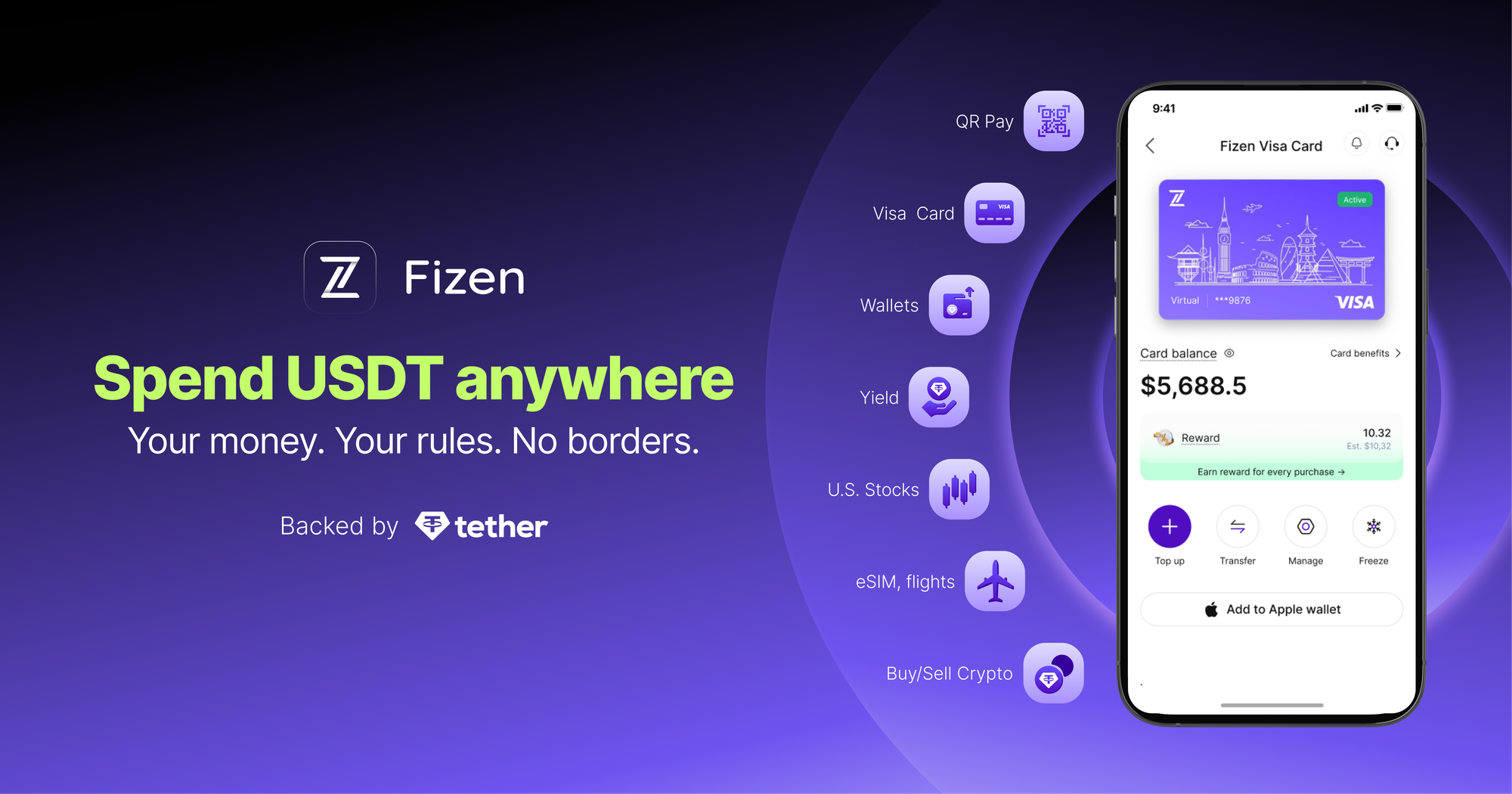
Fizen — hold, spend and send USDT yourself
A self-custody super app: your balance stays in your control. Buy and sell crypto via P2P in 64 countries or Transak, QR pay in Vietnam and the Philippines, invest in tokenized US stocks, a travel eSIM, and a Visa card. One app.
Fizen lets you hold your own balance and move it across borders. Availability of buy, sell, transfer, QR pay, tokenized stocks and eSIM varies by country, and whether any individual transaction completes depends on the networks, counterparties and partners at the time. Fizen is backed by an investment from Tether. For more, see the Fizen Docs and Terms of Use. This article is for general information only and is not financial, legal or tax advice.