How to Send Money Abroad With USDT (2026): The Cheaper Way to Send Money Home
The full playbook for sending money across borders with USDT: how it works, where it is available, and when it beats a bank or Western Union.
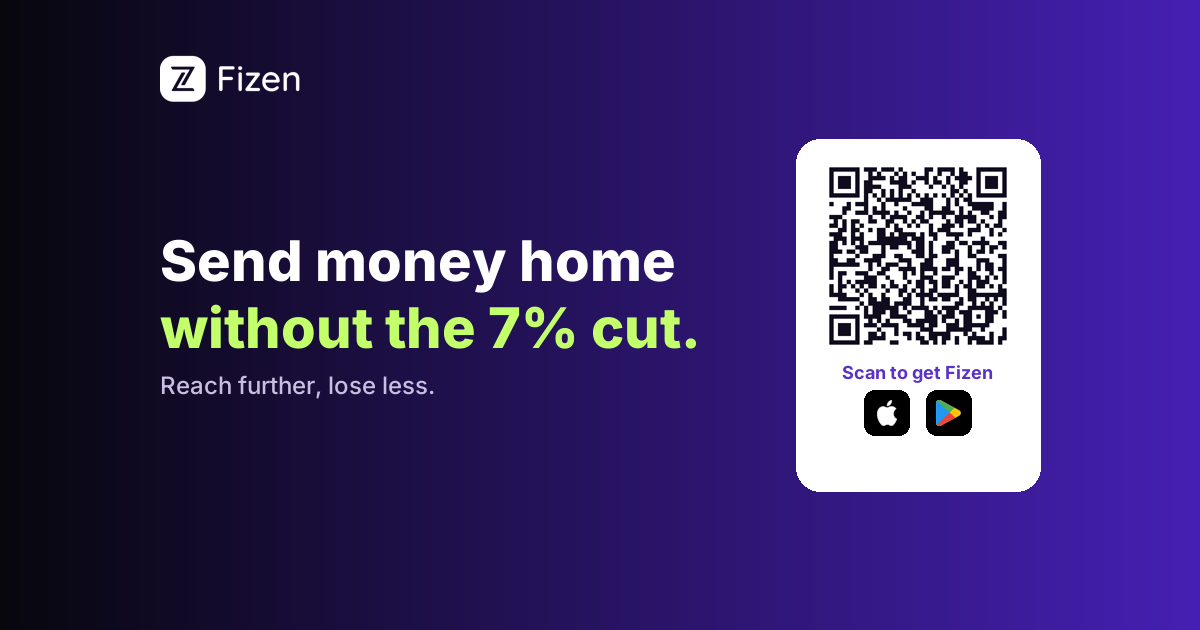
People send more than 850 billion dollars home across borders every year, and most of it is still routed through banks and money-transfer operators that quietly take 3 to 7 percent per transfer plus a hidden markup on the exchange rate. On a stablecoin rail, the same money can move for roughly 0.5 to 1.5 percent all in, including the cost of turning cash into digital dollars and back again. This guide explains exactly how sending money with USDT works, what you need on both ends, where it is available, and when it beats a bank wire.
Why USDT is cheaper than a bank wire
A traditional remittance passes through several middlemen, and each one takes a cut: your bank, a correspondent bank, the operator, and the payout agent. On top of the visible fee, most of them mark up the exchange rate by 1 to 3 percent, which is the part senders rarely notice. USDT skips the middlemen. It is a digital dollar that moves directly between two wallets in minutes, and the only real costs are the small spread when you buy it and the small spread when the receiver sells it back to local currency.
How it works, step by step
- 1. The sender gets USDT. In the Fizen app you buy USDT with your local currency through P2P or Transak, or top up from a card. This is the on-ramp.
- 2. The sender transfers it. You send the USDT straight to the receiver's wallet address. The transfer settles in minutes and costs a small network fee, not a percentage of the amount.
- 3. The receiver cashes out or spends. The receiver either sells the USDT for local currency through P2P or Transak, pays merchants directly by QR (in Vietnam and the Philippines), or spends it on a Visa card. This is the off-ramp.
The person receiving the money never needs a foreign bank account, and nobody waits three to five business days for a wire to clear.
Where it works
Fizen supports buying and selling crypto through P2P in 64 countries, plus Transak as a global on and off ramp, so a corridor can start almost anywhere and end almost anywhere. Two markets get an extra advantage: in Vietnam and the Philippines the receiver can also pay by QR at everyday shops, which means the money can be spent without cashing out at all. Availability and payout methods vary by country, so check what is supported on each end before you send a large amount.
When USDT wins, and when it does not
USDT is the cheapest option when both sides are comfortable with an app and the receiver has a way to cash out or spend locally. It is not the right tool for someone who only accepts physical cash pickup in a remote town with no digital payout, which is still Western Union's home turf. Be honest about the receiver's setup before you switch a family remittance over.
Frequently asked questions
Is it cheaper to send money with USDT than with a bank?
Usually yes. Banks and money-transfer operators typically charge 3 to 7 percent plus an exchange-rate markup, while a USDT corridor tends to cost about 0.5 to 1.5 percent all in, including buying and cashing out.
Does the receiver need a bank account?
No. The receiver can cash out USDT to local currency through P2P or Transak, spend it on a Visa card, or in Vietnam and the Philippines pay merchants directly by QR.
How long does it take?
The USDT transfer itself settles in minutes. The total time depends on how quickly each side buys and sells, but it is normally far faster than a multi-day bank wire.
Is USDT stable?
USDT is a stablecoin designed to track the US dollar one to one, so the amount you send is the amount that arrives, minus small buy and sell spreads.
A remittance should feed a family, not a fee schedule. Move it on a rail that answers to you.
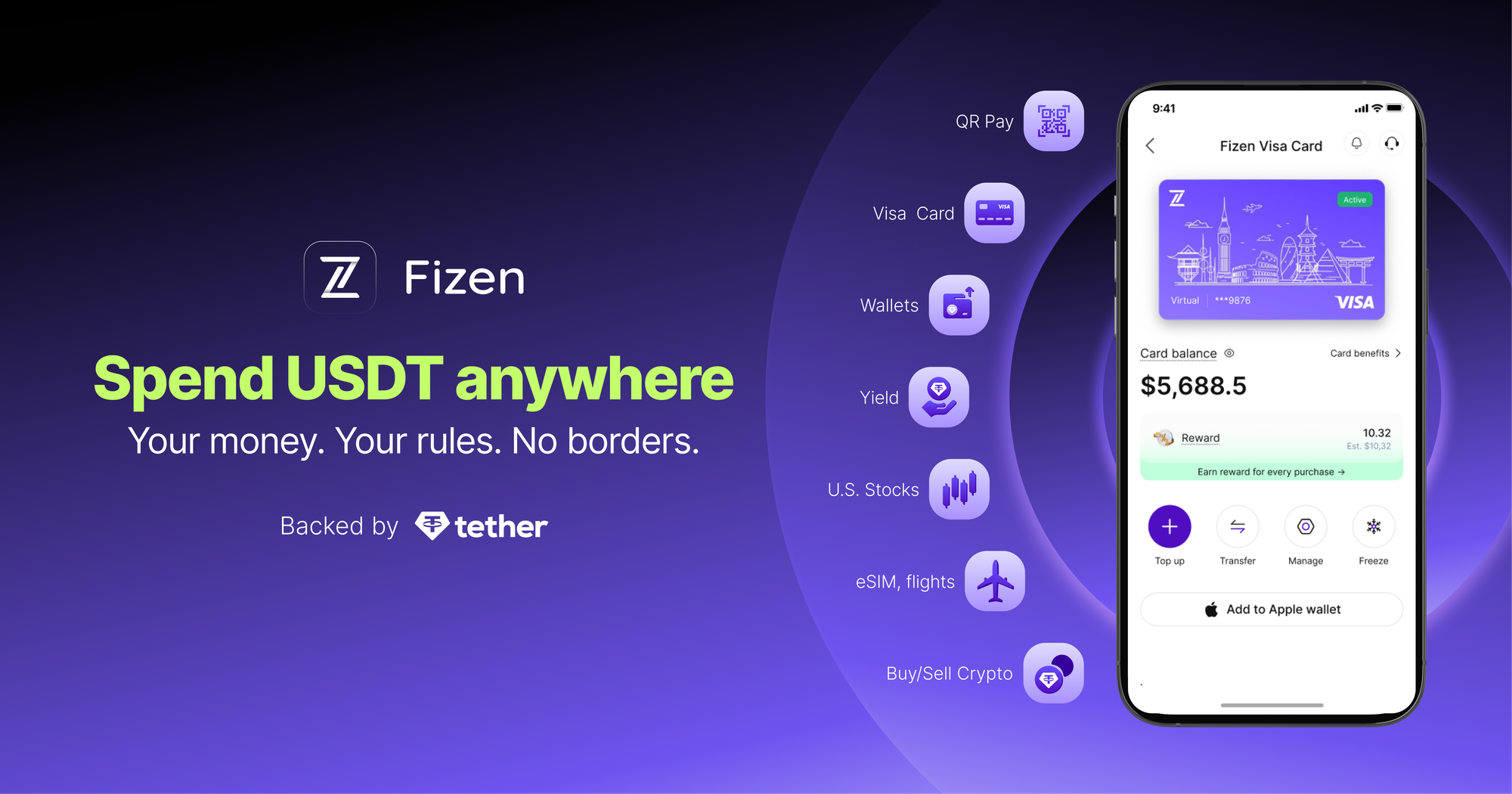
Fizen — send, spend and get paid in USDT
Buy and sell crypto with P2P in 64 countries or Transak, QR pay across Vietnam and the Philippines, and a Visa card. Move money across borders for a fraction of a bank wire.
Fizen lets you hold your own balance and move it across borders. Whether any individual buy, sell or transfer completes depends on the networks, counterparties and local partners involved at the time, and availability varies by country. Fizen is backed by an investment from Tether, the largest digital-asset company and issuer of USDT. For more, see the Fizen Docs and Terms of Use. This article is for general information only and is not financial advice.
Related guides
Terms and conditions
- Information only. Fizen publishes this article to inform, not to sell. Nothing here is an offer or solicitation, and it is not financial, investment, legal or tax advice. Prices, rules and availability change; check official sources.
- For readers in the United States. This article provides information only. It is not an offer, solicitation or sale of any product or service, and it is not financial, investment, legal or tax advice. Fizen is not offered to US Persons.
- Full terms. Master Terms of Use, Privacy Policy and Disclaimer on the Fizen site.