Stripe Alternative in the Philippines: Accept Payments in USDT (2026)
Stripe does not work in the Philippines, leaving businesses stuck. Here is how to accept payments in USDT to a wallet you control and cash out to pesos.


Key takeaways
- Stripe is not available to businesses in the Philippines, so accepting online card payments through it is not an option.
- One workaround is to accept payment in USDT into a self-custody wallet you control, settling in minutes.
- You cash out to pesos through local peer-to-peer when you need local money.
- Agree the token and blockchain network with each payer, and confirm receipt before delivering.
If you run a business, sell online, or freelance in the Philippines, you have probably hit the Stripe wall: it is simply not available to accept payments here. Stripe support for businesses in the Philippines is limited or invite-only, so many local sellers and freelancers cannot rely on it. Rather than stay stuck, many people now accept payment in USDT, which settles in minutes into a wallet they control. Here is how to use it as a Stripe alternative in the Philippines in 2026.
Why isn't Stripe available in the Philippines?
Stripe support for businesses in the Philippines is limited or invite-only, so many local sellers and freelancers cannot rely on it. Whatever the reason, the result is the same: you cannot spin up Stripe Checkout to take card payments. That pushes businesses and creators toward alternatives, and USDT has become a common one because it works regardless of whether a processor supports your country.
How do you accept payments in USDT?
- Agree token and network: tell the payer to send USDT and confirm the exact blockchain network. The wrong network is the top way funds are lost.
- Share your wallet address: give a self-custody wallet address you control; funds land with you, not a processor that could hold or freeze them.
- Confirm before delivering: the payment settles in minutes; confirm it arrived before you ship goods or hand over work.
How do you cash out to pesos?
Sell USDT for pesos through local peer-to-peer to a bank or e-wallet, or spend by QR straight from your balance.
| Stripe | USDT to your wallet | |
|---|---|---|
| Available in the Philippines | No | Yes, you hold it |
| Settlement | Days | Minutes |
| Chargebacks | Yes | No |
| Cash out to pesos | n/a | P2P to bank or wallet |
Tax and safety
Business income is taxable in the Philippines whether it arrives as card payments or USDT, so keep clear records of each sale. For safety, confirm the network, verify receipt before delivering, and use escrow when cashing out. This is general information, not tax or legal advice.
Frequently asked questions
Is Stripe available in the Philippines?
Stripe support for businesses in the Philippines is limited or invite-only, so many local sellers and freelancers cannot rely on it.
How can I accept online payments in the Philippines without Stripe?
Accept payment in USDT into a self-custody wallet you control, confirming the network with each payer, then cash out to pesos as needed.
How do I cash out USDT to pesos?
Sell USDT for pesos on a peer-to-peer platform to your bank or wallet, using escrow and waiting for funds before releasing.
Are there chargebacks with USDT?
No. USDT payments are final once confirmed, which removes chargeback risk, but it also means you should confirm receipt before delivering.
Is it taxable?
Business income is taxable in the Philippines however it arrives. Keep records and consult a professional. This is not tax advice.
Stripe shut the door on the Philippines. Accept dollars you control instead.
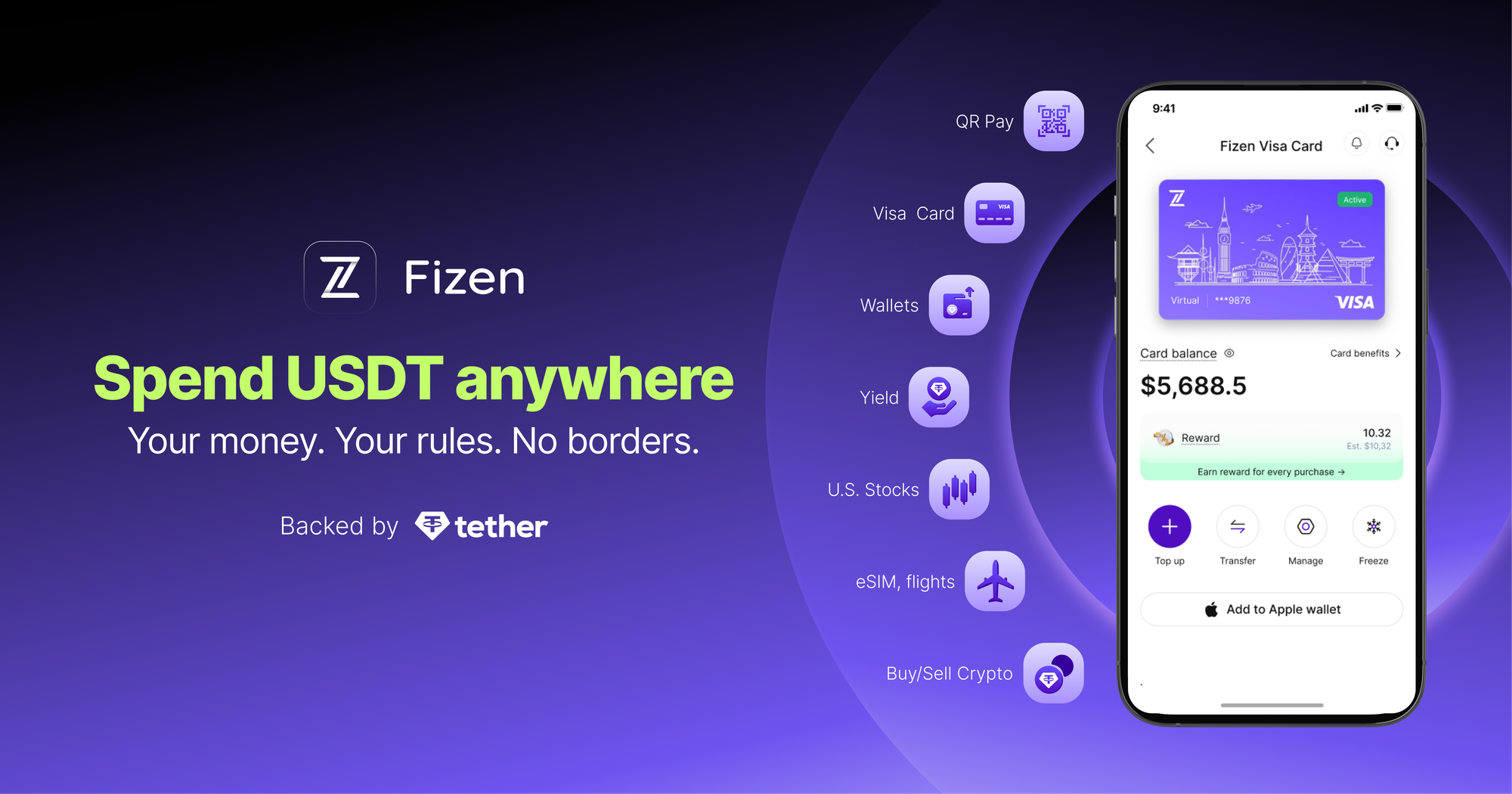
Get paid in USDT, spend it the same day
Invoice clients in USDT to a wallet you control, then spend by Visa card or local QR without waiting on a payout processor. Backed by an investment from Tether.
Fizen is a self-custody app: you hold your own balance, and availability of features varies by country and partner at the time of each transaction. Backed by an investment from Tether. This is general information, not financial or tax advice. See the Terms of Use.
Terms and conditions
- Information only. Fizen publishes this article to inform, not to sell. Nothing here is an offer or solicitation, and it is not financial, investment, legal or tax advice. Prices, rules and availability change; check official sources.
- For readers in the United States. This article provides information only. It is not an offer, solicitation or sale of any product or service, and it is not financial, investment, legal or tax advice. Fizen is not offered to US Persons.
- Full terms. Master Terms of Use, Privacy Policy and Disclaimer on the Fizen site.