
QRIS for Foreigners: How to Pay by QR in Indonesia and Bali (2026)
Indonesia runs on QRIS. Normally it needs a local bank or e-wallet, so here is how tourists in Bali can pay QRIS codes in 2026 without an Indonesian account.
Key takeaways
- QRIS is Indonesia's national QR standard: warungs, cafes, shops and drivers in Bali all accept it.
- Signing up for QRIS through a local app normally needs an Indonesian bank account or e-wallet, which tourists cannot easily open.
- Foreign cards work at hotels and bigger restaurants but add fees, and many small warungs are cash or QRIS only.
- A visitor wallet lets you pay QRIS codes and spend by Visa card without opening an Indonesian account.
Bali has gone almost fully cashless on QR. Warungs, coffee shops, drivers and market stalls all display a QRIS code, and locals just scan it. For a visitor this is either brilliant or frustrating, depending on whether you can actually use it. Here is how QRIS works, why tourists usually cannot register, and how to pay QRIS codes in Indonesia without a local bank account.
What is QRIS?
QRIS is Indonesia's single national QR standard, so one code works across banks and e-wallets. It is why paying in Bali feels so smooth for locals: one scan covers everything from a coffee to a scooter rental. The catch is on the payer side, where QRIS is normally linked to an Indonesian bank account or a local e-wallet such as those requiring local ID and a local phone number.
Why tourists usually cannot register
Local e-wallet signup typically asks for an Indonesian phone number and identity documents, which a visitor on a short trip does not have. That leaves cash and foreign cards. Cards are accepted at hotels, malls and larger restaurants but often add a foreign-transaction fee and a weaker exchange rate, and many warungs simply do not take them.
Paying QRIS without an Indonesian account
The gap is exactly what a visitor wallet fills: you top up your own balance and pay QRIS codes directly, plus keep an international card for the bigger venues. Fizen helps with the data side of this trip (its QR Pay works only in Vietnam and the Philippines): add a travel eSIM so you are online from the moment you land.
Practical tips for Bali
- Always pay in Indonesian rupiah, not your home currency, to avoid a worse conversion rate.
- Keep some cash for the smallest warungs and rural areas.
- Withdraw larger amounts less often, since ATM fees are per-withdrawal.
Frequently asked questions
Can foreigners use QRIS in Indonesia?
Not through most local apps, which require an Indonesian bank account or e-wallet with local ID. Fizen QR Pay does not work in Indonesia: it pays local QR codes for visitors in Vietnam and the Philippines only.
How do tourists pay in Bali?
A mix: foreign cards at hotels and bigger restaurants (with fees), cash at small warungs, and QRIS for everyday spending if you have a wallet that supports it.
Do I need an Indonesian bank account to pay by QR?
Not with a visitor wallet. You top up your own balance and pay QRIS codes without opening a local account.
Should I pay in rupiah or my home currency?
Always rupiah. Paying in your home currency triggers dynamic currency conversion, which gives a worse rate.
Bali pays by QR. Now visitors can too, without an Indonesian bank.
Get online in Bali before you land
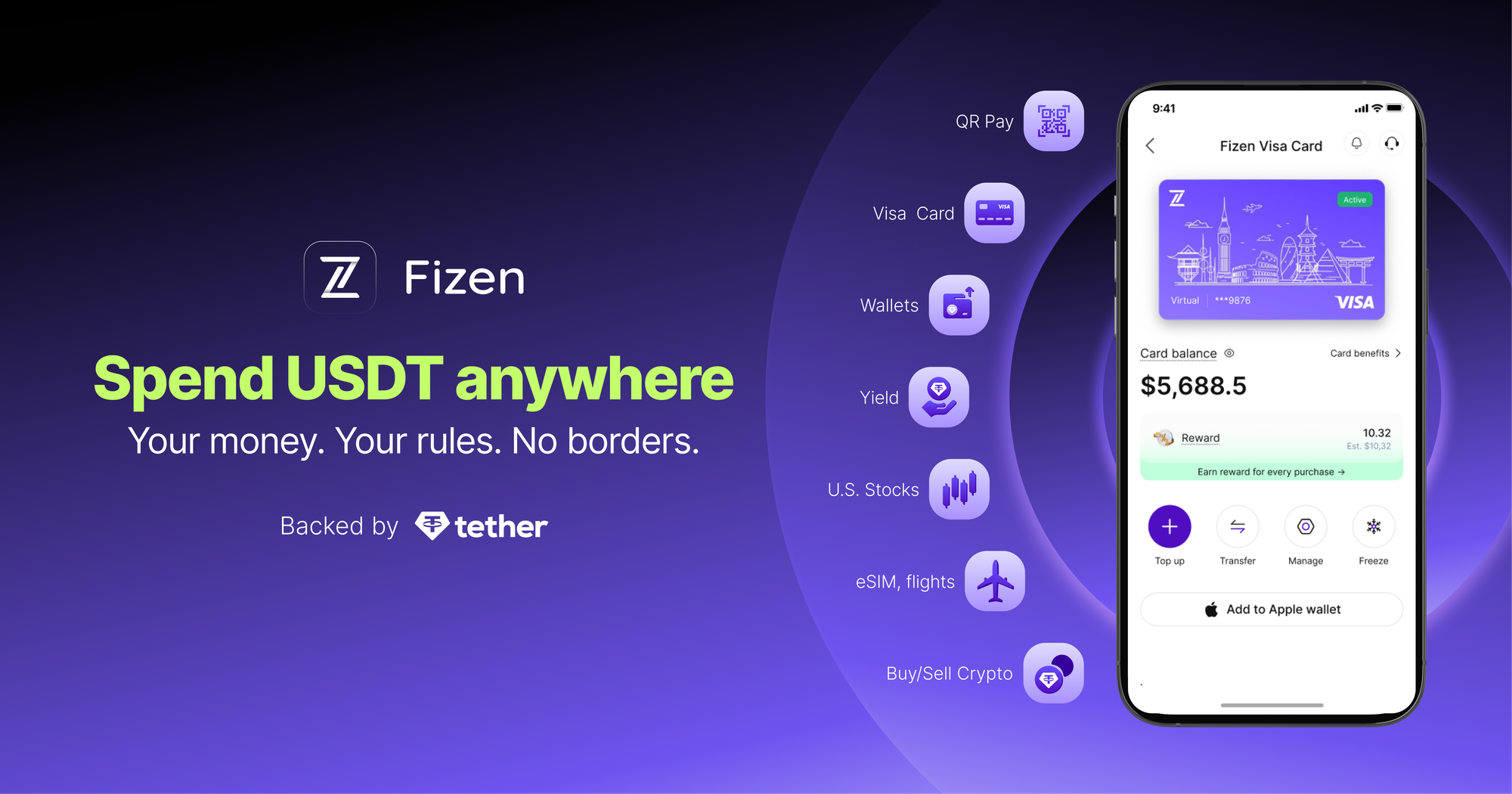
Buy a travel eSIM for Indonesia in the Fizen app, paid with USDT or card. Fizen QR Pay works for visitors in Vietnam and the Philippines only.. Top-ups land in seconds and one scan settles the bill, no local account needed. Backed by an investment from Tether.
This is general travel information, not financial advice. Merchant acceptance and fees vary; check before you pay. Fizen is a self-custody app: you hold your own keys. Backed by an investment from Tether.
Terms and conditions
- Information only. Fizen publishes this article to inform, not to sell. Nothing here is an offer or solicitation, and it is not financial, investment, legal or tax advice. Prices, rules and availability change; check official sources.
- For readers in the United States. This article provides information only. It is not an offer, solicitation or sale of any product or service, and it is not financial, investment, legal or tax advice. Fizen is not offered to US Persons.
- Full terms. Master Terms of Use, Privacy Policy and Disclaimer on the Fizen site.