Is Crypto Legal in Vietnam in 2026? A Plain-English Guide
Vietnam now recognizes digital assets as property under a new law, with a licensed market pilot underway. Here is what is actually legal in 2026, in plain English.

Key takeaways
- Vietnam's Digital Technology Industry (DTI) Law took effect in 2026 and is the country's first framework recognizing digital assets as a form of property.
- A multi-year licensed crypto-market pilot has been launched, with a very high capital bar for licensed operators.
- Recognizing digital assets as property is a big shift from the previous grey area, though rules are still developing.
- For everyday users, holding your own assets in a self-custody wallet keeps you in control while the licensed market matures.
For years, the honest answer to "is crypto legal in Vietnam?" was "it's complicated." That is changing. In 2026 Vietnam's Digital Technology Industry Law came into force, the first Vietnamese framework to recognize digital assets as property, and the government launched a licensed market pilot. This guide explains, in plain English, what that means for an ordinary person in Vietnam. It is general information, not legal advice.
What did Vietnam's new law actually change?
The headline change is legal recognition. By defining digital assets as a form of property, the DTI Law moves crypto out of the undefined grey zone it sat in before. Property status matters because it gives assets a legal footing for ownership and, over time, for clearer treatment in disputes, inheritance and tax. It does not turn crypto into legal tender, and it does not mean everything is permitted, but it is a foundational step.
Is there a licensed crypto market now?
Vietnam has launched a pilot for a licensed digital-asset market that is set to run for several years. The bar to become a licensed operator is deliberately high, aimed at large, well-capitalized entities, so this is about building a regulated on-ramp over time rather than an overnight switch. Expect the licensed venues and their rules to roll out gradually.
What does this mean for everyday users?
If you use stablecoins to save in dollars, get paid, or send money home, the practical takeaway is that the ground is becoming firmer, not shakier. As the licensed market matures, the safest way to stay in control is to hold your own assets rather than leaving them on a platform whose status may change. Self-custody keeps your balance yours while the framework settles.
| Before | After the 2026 law |
|---|---|
| Digital assets undefined in law | Recognized as a form of property |
| No licensed market framework | Multi-year licensed market pilot launched |
| Grey-area ownership | Clearer legal footing for ownership |
Frequently asked questions
Is crypto legal in Vietnam in 2026?
Vietnam's Digital Technology Industry Law now recognizes digital assets as a form of property, and a licensed market pilot has begun. That is a major step from the previous grey area, though it does not make crypto legal tender and rules are still developing.
Does the new law make crypto legal tender?
No. Recognizing digital assets as property is different from making them official currency. The dong remains the legal tender.
Is there a licensed crypto exchange in Vietnam?
A licensed market pilot has been launched with a high capital requirement for operators, so licensed venues are expected to roll out gradually over the pilot period.
What is the safest way to hold crypto in Vietnam now?
While the licensed market matures, holding your own assets in a self-custody wallet keeps you in control, rather than relying on a platform whose status could change.
Is this legal advice?
No. This is general information about publicly reported changes. For your situation, consult a qualified Vietnamese professional.
The rules are finally taking shape in Vietnam. Hold your own assets and stay in control as they do.
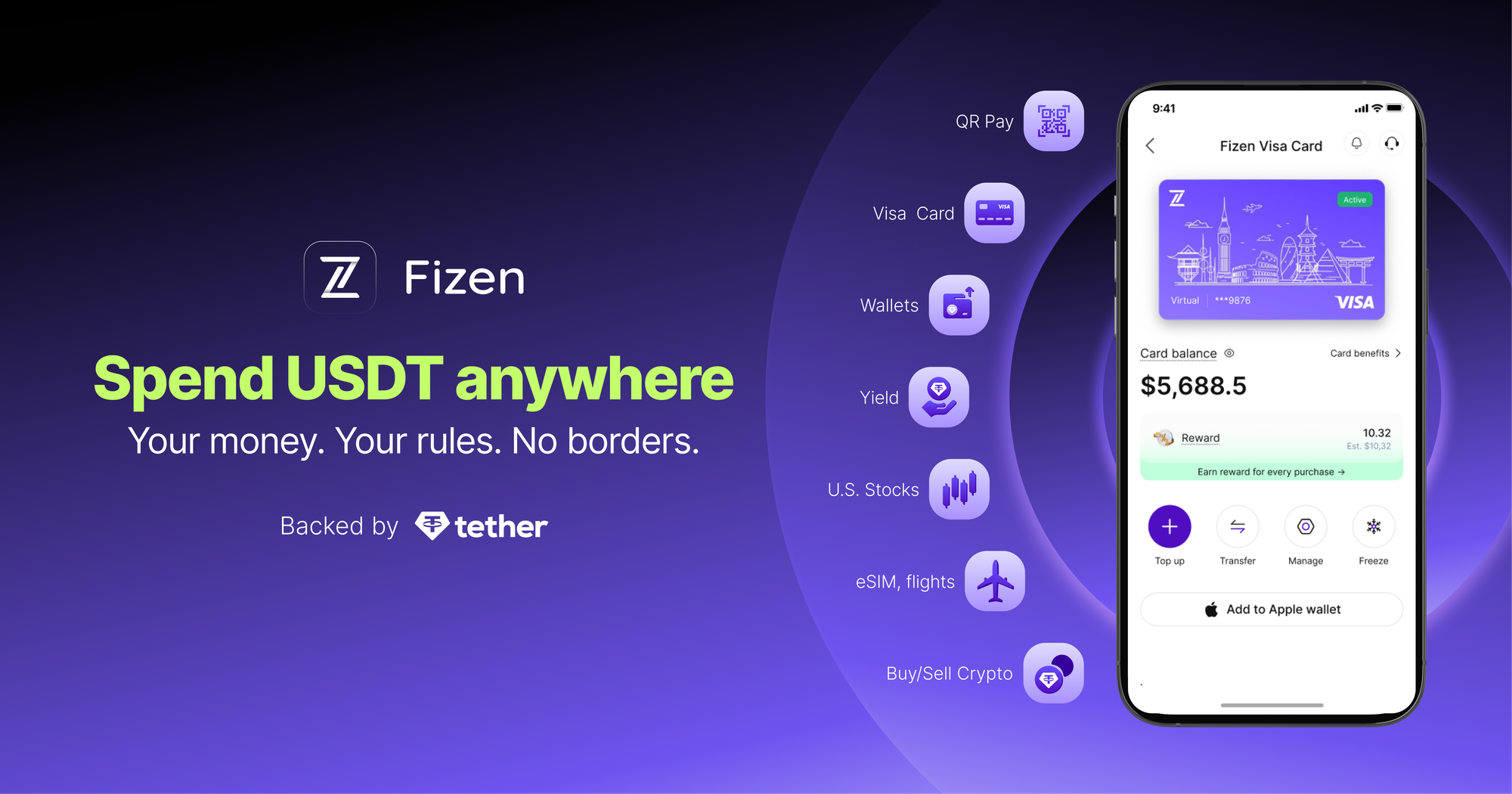
Fizen — hold, spend and send USDT yourself
A self-custody super app: your balance stays in your control. Buy and sell crypto via P2P in 64 countries or Transak, invest in tokenized US stocks, QR pay in Vietnam and the Philippines, and a Visa card. One app.
Fizen lets you hold your own balance and move it across borders. Availability of buy, sell, transfer, tokenized stocks and QR pay varies by country, and whether any individual transaction completes depends on the networks, counterparties and partners at the time. Fizen is backed by an investment from Tether. For more, see the Fizen Docs and Terms of Use. This article is for general information only and is not financial, legal or tax advice.
Terms and conditions
- Information only. Fizen publishes this article to inform, not to sell. Nothing here is an offer or solicitation, and it is not financial, investment, legal or tax advice. Prices, rules and availability change; check official sources.
- For readers in the United States. This article provides information only. It is not an offer, solicitation or sale of any product or service, and it is not financial, investment, legal or tax advice. Fizen is not offered to US Persons.
- Full terms. Master Terms of Use, Privacy Policy and Disclaimer on the Fizen site.