How to Get Paid on Upwork and Fiverr in Pakistan Without PayPal (2026)
PayPal still does not work for receiving money in Pakistan, so Upwork and Fiverr earners get stuck. Here is the USDT route to get paid and cash out to rupees.

Key takeaways
- PayPal does not support receiving or withdrawing money in Pakistan, so it is not a real payout option for freelancers.
- Payoneer and bank wires work but come with fees, holds and rate markups that eat into small payments.
- A clean alternative is to be paid in USDT into a self-custody wallet you control, then cash out to rupees via local P2P.
- Always agree the token and blockchain network with the client and test with a small payment first.
Pakistan has one of the largest freelance workforces in the world, and one of the most frustrating payout situations. PayPal, the default everyone else uses, does not let you receive or withdraw money in Pakistan. Payoneer and bank transfers work but skim fees and hold funds. In 2026, more Pakistani freelancers are simply getting paid in USDT and cashing out to rupees. Here is how it works.
Why can't I use PayPal to get paid in Pakistan?
PayPal does not operate for receiving and withdrawing money in Pakistan. You cannot reliably link a local bank and pull funds out, so for inbound freelance income it is effectively a dead end. That is why Upwork and Fiverr earners here lean on Payoneer, bank wires, or now USDT.
How do I get paid in USDT from Upwork or Fiverr?
Upwork and Fiverr let you withdraw earnings; the trick is where they land. Many freelancers withdraw to a method they can convert, or take direct-client payments in USDT. To receive USDT directly:
- Agree token and network: confirm you are paid in USDT and on which blockchain network. The wrong network is the most common way funds go missing.
- Share your wallet address: give a self-custody wallet address that supports that network, and ask for a small test payment first.
- Confirm it landed: the payment settles in minutes into a wallet only you control, not a platform that can freeze it.
How do I turn USDT into rupees?
Cash out through local peer-to-peer. You sell USDT to a buyer and receive Pakistani rupees to your bank or wallet, usually at a tighter rate than a wire. Use a platform with escrow, wait until the rupees actually arrive before releasing the USDT, and keep records for tax.
| Get paid by | Receive in Pakistan | Notes |
|---|---|---|
| PayPal | Not supported | No local payout |
| Payoneer / wire | Yes | Fees, holds, rate markup |
| USDT to your wallet | Minutes | Cash out to rupees via P2P |
A note on tax and safety
Income from freelancing is generally taxable in Pakistan whether it arrives as dollars or USDT, so keep records of each payment. On safety, only send to the correct network, test small first, and use escrow when cashing out. This is general information, not tax advice.
Frequently asked questions
Can I use PayPal to get paid in Pakistan?
No. PayPal does not support receiving or withdrawing money in Pakistan, so it is not a working payout method for freelancers.
How do I get paid on Upwork or Fiverr in Pakistan?
Withdraw to a method you can convert, or take direct-client payments in USDT into a self-custody wallet, then cash out to rupees via local P2P.
How do I turn USDT into rupees?
Sell USDT for rupees through local peer-to-peer to your bank or wallet, using escrow and waiting for the rupees to arrive before releasing.
Is getting paid in USDT taxable in Pakistan?
Freelance income is generally taxable however it arrives. Keep records of each payment and consult a local professional. This is not tax advice.
What is the biggest risk?
Sending to the wrong blockchain network. Always confirm the network and send a small test payment first.
PayPal was never built to pay you in Pakistan. Get paid in dollars you control, then cash out on your terms.
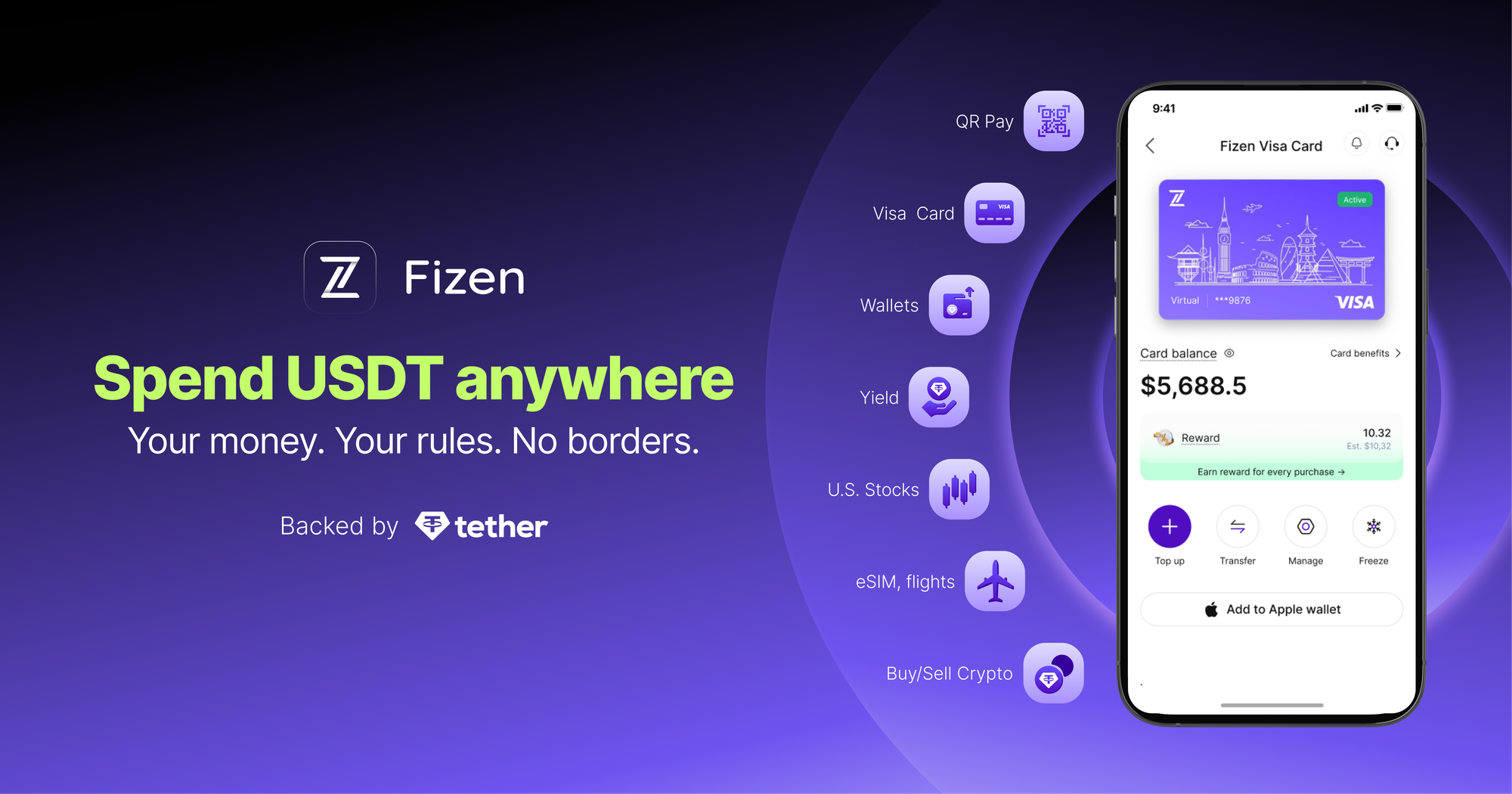
Fizen: get paid in USDT you actually control
A self-custody super app: receive USDT into a wallet only you control, hold it as stable digital dollars, and cash out to local currency via P2P. Also a travel eSIM, tokenized US stocks and a Visa card. Backed by an investment from Tether.
Fizen is a self-custody app: you hold your own balance, and availability of features varies by country and partner at the time of each transaction. Backed by an investment from Tether. This is general information, not financial or tax advice. See the Terms of Use.
Terms and conditions
- Information only. Fizen publishes this article to inform, not to sell. Nothing here is an offer or solicitation, and it is not financial, investment, legal or tax advice. Prices, rules and availability change; check official sources.
- For readers in the United States. This article provides information only. It is not an offer, solicitation or sale of any product or service, and it is not financial, investment, legal or tax advice. Fizen is not offered to US Persons.
- Full terms. Master Terms of Use, Privacy Policy and Disclaimer on the Fizen site.