How to Cash Out USDT in Zimbabwe (2026): Safe Ways and Rates
With a shaky local currency, many Zimbabweans hold USDT. Here is how to cash out USDT to US dollars or ZiG safely in 2026, and why self-custody matters.
Key takeaways
- Years of currency instability pushed many Zimbabweans to hold value in US dollars and USDT rather than the local unit.
- You cash out USDT mainly through peer-to-peer trades that pay US dollars in cash or a local transfer.
- Self-custody matters: keep USDT in a wallet only you control, not on a platform that could restrict access.
- Use escrow or a trusted dealer, meet safely for cash, and verify funds before releasing the USDT.
Zimbabwe has lived through repeated currency crises, so holding value in something stable is second nature. For a growing number of people that means US dollars and USDT. If you hold USDT here, cashing out usually means getting US dollars in cash or a local transfer. Here is how to do it in 2026, the rate to expect, and how to stay safe.
Why do Zimbabweans hold USDT?
Because the local currency has a long history of losing value fast. USDT is a dollar that sits on your phone, holds its value, and moves instantly across borders, without depending on a local bank or the latest currency reform. That makes it a practical store of value and a way to receive money from abroad.
How do you cash out USDT in Zimbabwe?
- Peer-to-peer: sell USDT to a buyer who pays you US dollars in cash or sends a local transfer, ideally with escrow or a trusted contact.
- Dealers and agents: known money-changers and crypto dealers will buy USDT for cash, agree the rate up front.
- Keep it as dollars: USDT is already a dollar you can hold and spend or send digitally, so you may not need to cash out fully.
| Route | Payout | Note |
|---|---|---|
| P2P (escrow) | USD cash or transfer | Best rate, verify buyer |
| Dealer / agent | USD cash | Agree rate first |
| Informal street deal | Cash | Higher risk, avoid |
How do you stay safe?
Hold your USDT in a self-custody wallet you control, so no platform stands between you and your money. When trading, prefer escrow or a dealer with a track record, meet in a safe public place for cash, and confirm the money has arrived before releasing the USDT. Watch for fake notes and inflated rates, and never send first on trust alone.
Frequently asked questions
How do I cash out USDT in Zimbabwe?
Mainly through escrow-backed peer-to-peer trades or known dealers who pay US dollars in cash or a local transfer. Agree the rate and verify the counterparty first.
Why is USDT popular in Zimbabwe?
Because the local currency has repeatedly lost value. USDT holds a dollar value on your phone and moves instantly, without relying on a local bank.
Is USDT safe to hold in Zimbabwe?
Safer in a self-custody wallet you control than on a platform that could restrict access. You keep the keys, you keep the money.
What rate will I get?
Close to the dollar value with a small spread, depending on the dealer and amount. Compare a couple of options before trading.
What should I watch out for?
Fake notes, bad rates and unsafe cash meetups. Use escrow or trusted dealers, meet safely, and verify funds before releasing.
A currency that holds its value should stay in your hands. Hold USDT yourself and cash out safely.
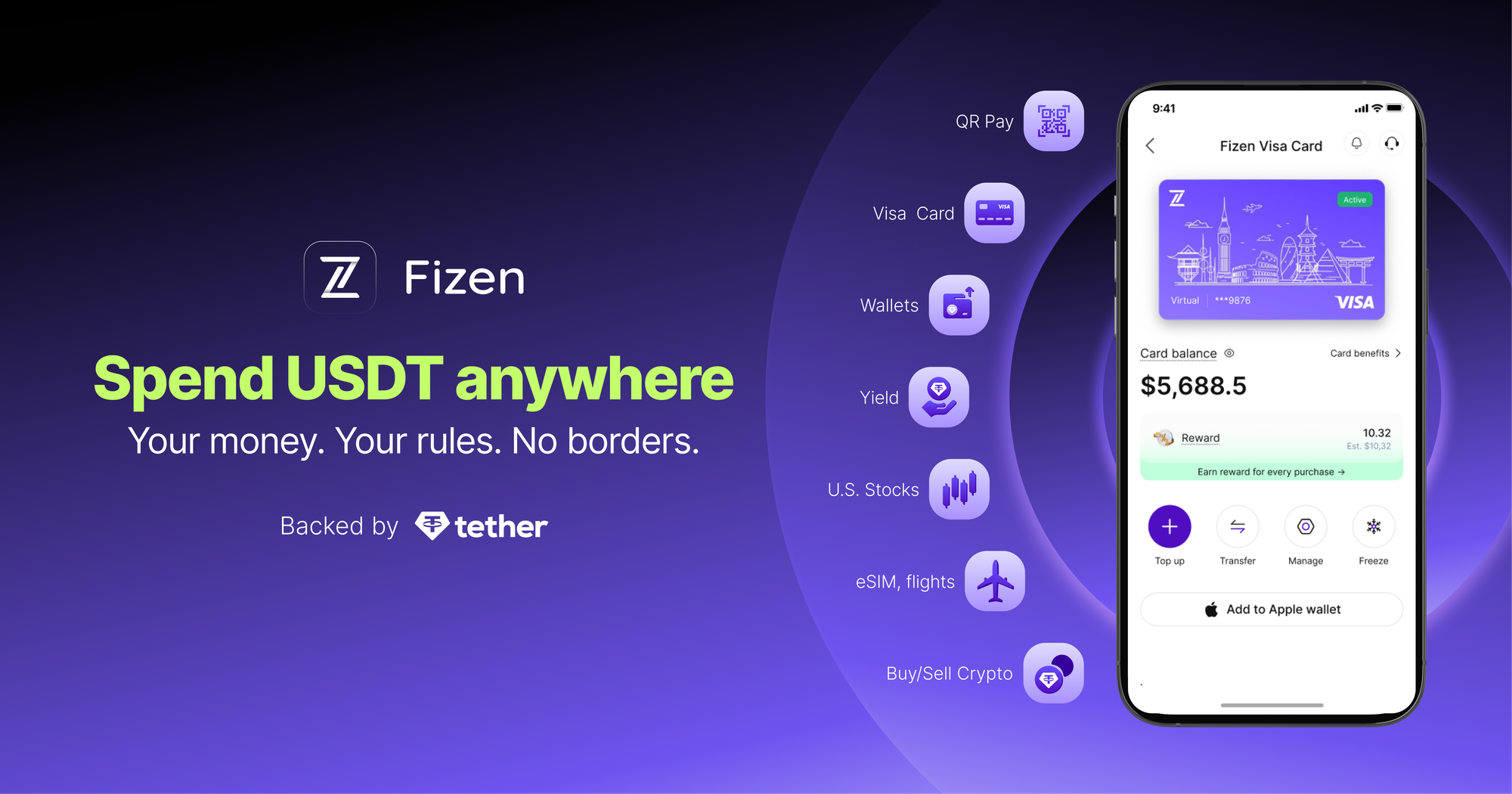
Fizen: hold USDT yourself, cash out on your terms
A self-custody super app: keep USDT in a wallet only you control, then cash out to local currency via P2P when you choose. Also a travel eSIM, tokenized US stocks and a Visa card. Backed by an investment from Tether.
Fizen is a self-custody app: you hold your own balance, and availability of features varies by country and partner at the time of each transaction. Backed by an investment from Tether. This is general information, not financial or tax advice. See the Terms of Use.