Why P2P USDT Trading Is Getting Riskier in 2026 (and What to Use Instead)
Bank freezes, triangulation scams, and platform crackdowns: why P2P USDT got riskier, and the spend-direct alternatives.

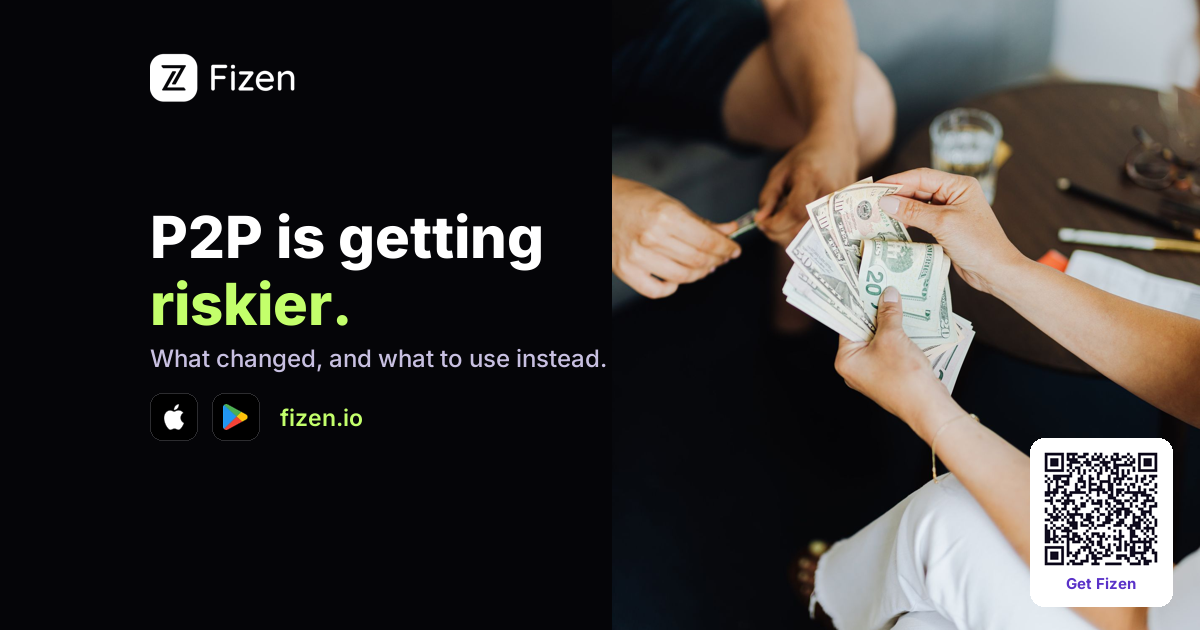
P2P USDT trading is getting riskier in 2026, and the people who rely on it feel it first. The workflow that once quietly moved crypto into spending money, find a buyer, transfer, receive a bank payment, now carries more frozen accounts, more scams, and more regulatory attention than at any point since stablecoins went mainstream.
What changed
- Bank de-risking: banks across Asia and Eastern Europe increasingly freeze accounts receiving repeated P2P-pattern transfers, guilty until explained.
- Triangulation scams: buyers pay you with stolen bank funds; when the theft is reported, YOUR account holds the evidence.
- Platform tightening: major exchanges have raised P2P verification walls and delisted merchants en masse, stranding counterparties mid-flow.
- Spread creep: as legitimate merchants exit, remaining spreads quietly widen; several percent per round-trip is now common in thin corridors.
🎁 Reader bonus: Code c12M → up to 10% cashback + FiPoints on every spend. T&Cs apply.
Claim your card →The alternatives, honestly compared
- Stablecoin card: skip fiat entirely; spend USDT per purchase through a Visa. No counterparty, no bank pattern. Weakness: card acceptance only.
- QR wallets in SEA: in Vietnam and the Philippines, pay merchants by QR from the USDT balance; the merchant receives local currency through normal rails.
- Regulated in-app P2P: where cash-out is unavoidable, app-mediated P2P with escrow and KYC on both sides, like Fizen's, beats chat-group OTC on every risk axis.
- Gift cards: fine for specific brands; not a general solution.
The practical takeaway
Cash out less, spend directly more. Every dollar you spend straight from the balance is a dollar that never touches a P2P counterparty or a suspicious-pattern detector. Keep P2P for the amounts that genuinely need to be fiat, and run it through escrowed, verified channels.
Frequently asked questions
Why is P2P USDT trading risky now?
Bank de-risking freezes accounts with P2P-pattern inflows, triangulation scams route stolen funds through sellers, and platform crackdowns strand counterparties. All three trends accelerated into 2026.
What is the safest alternative to P2P?
Spend USDT directly: a stablecoin Visa card or, in Vietnam and the Philippines, QR payments from the balance. No counterparty, no bank pattern.
Is P2P ever the right choice?
When you genuinely need fiat in a bank account. Use platforms with escrow and verified counterparties, and keep amounts unremarkable.
What happens if my bank flags a P2P deposit?
Expect a freeze and questions about source of funds. Documentation helps; avoiding the pattern helps more.
The cheapest P2P trade is the one you never need to make. Move your spending onto the balance itself and let the risk evaporate.
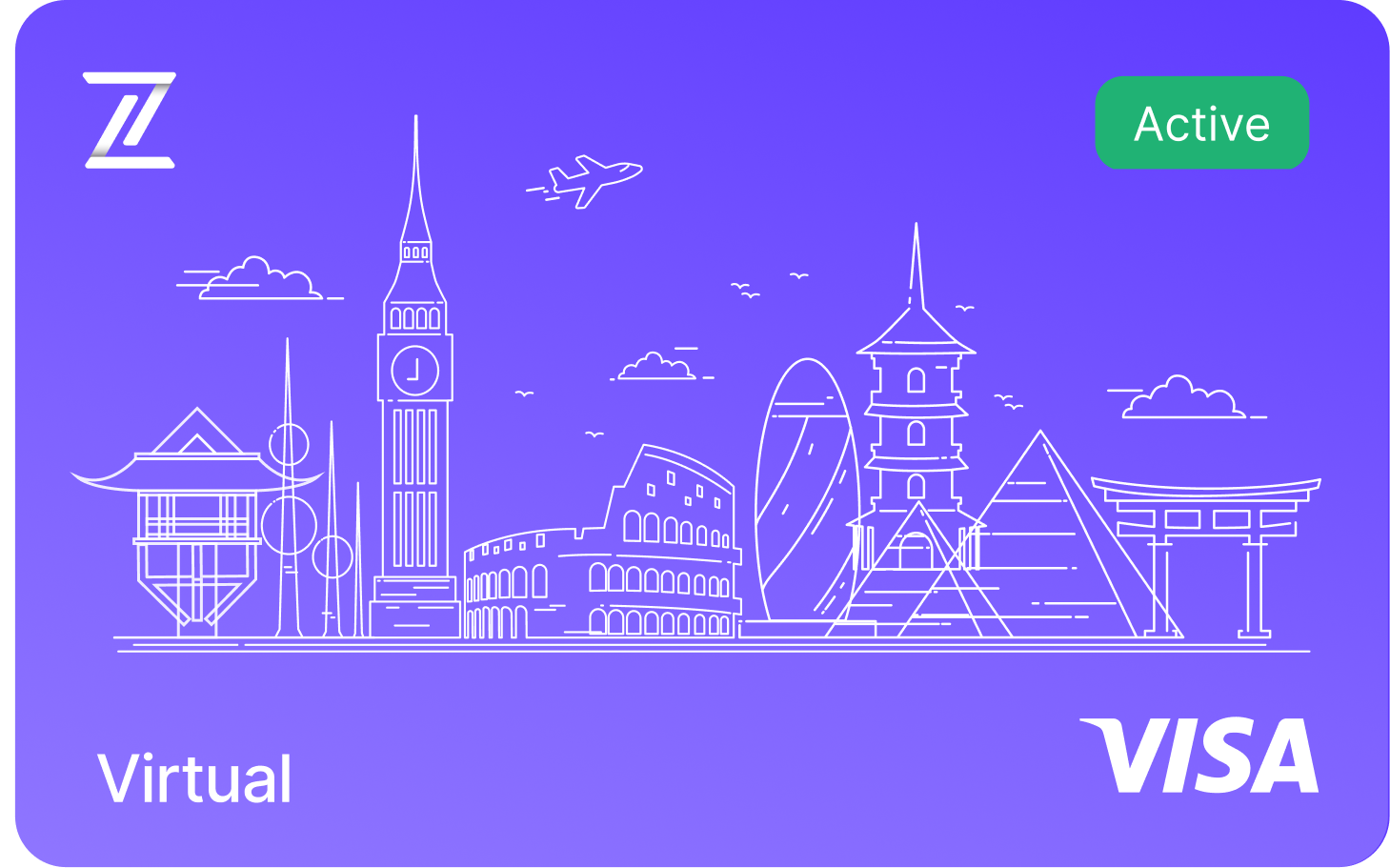
Fizen Virtual Visa Card
The best card for SaaS, ChatGPT, Claude, Netflix, Spotify, Amazon, Google, Meta, Tiktok Ads. Spend USDT like cash globally.
Fizen Card processes as a standard Visa and is accepted wherever Visa is supported. Whether any individual charge is approved still depends on the merchant and their payment processor at the time of payment. Fizen Card is issued under applicable regulations. Users should verify availability in their jurisdiction. This article is for informational purposes only and does not constitute financial advice. More details about Fizen Card, please refer to Fizen Card Docs and Terms of Use.
Related guides
Terms and conditions
- Information only. Fizen publishes this article to inform, not to sell. Nothing here is an offer or solicitation, and it is not financial, investment, legal or tax advice. Prices, rules and availability change; check official sources.
- For readers in the United States. This article provides information only. It is not an offer, solicitation or sale of any product or service, and it is not financial, investment, legal or tax advice. Fizen is not offered to US Persons.
- Full terms. Master Terms of Use, Privacy Policy and Disclaimer on the Fizen site.