USDT vs Payoneer for Freelancers (2026): Which Keeps More?
Payoneer works, but the fees, conversions and holds quietly eat your invoices. Here is an honest USDT vs Payoneer comparison for freelancers in 2026.
Key takeaways
- Payoneer is widely supported and familiar, but charges fees, converts currency, and can hold funds.
- Getting paid in USDT settles in minutes to a wallet you control, usually cheaper, with no holds.
- Payoneer is simpler if your clients already use it; USDT wins on cost, speed and control.
- Many freelancers use both: Payoneer where required, USDT where they want to keep more.
For years Payoneer was the answer to getting paid as a freelancer, and it still works. But if you have watched fees, currency conversion and the occasional hold shave real money off your invoices, you have probably wondered if there is a leaner option. Here is an honest, side-by-side look at USDT versus Payoneer for freelancers in 2026.
Where Payoneer is genuinely good
Payoneer is widely accepted, integrates with big platforms, and gives you a familiar dashboard and local receiving accounts in some currencies. If your clients pay into Payoneer by default and you are happy withdrawing to your bank, it is convenient. The cost is in the details: withdrawal fees, a conversion spread, and holds that can land at the worst time.
Where USDT wins
- Speed: USDT settles in minutes; no multi-day withdrawal wait.
- Cost: typically a small network fee plus a tight P2P spread, versus Payoneer's fees and conversion.
- Control: the money lands in a wallet you hold, so it cannot be put on hold by a platform.
| Payoneer | USDT to your wallet | |
|---|---|---|
| Speed | Days to withdraw | Minutes |
| Cost | Fees + conversion | Network fee + small spread |
| Holds | Possible | You hold it |
| Familiarity | High | Growing |
The honest verdict
Neither is strictly better; they fit different needs. If a client insists on Payoneer, use it. If you want to keep more of each invoice and control your own money, get paid in USDT and cash out when you choose. Plenty of freelancers run both, routing each client to whichever costs them least. This is general information, not financial advice.
Frequently asked questions
Is USDT cheaper than Payoneer for freelancers?
Usually, yes: a small network fee plus a tight P2P spread tends to beat Payoneer's withdrawal fees and currency conversion.
Is USDT faster than Payoneer?
Yes. USDT settles in minutes, while Payoneer withdrawals can take days.
Can Payoneer hold my funds?
Payoneer can place holds in some cases. With USDT in a self-custody wallet, you hold the balance yourself.
Should I stop using Payoneer?
Not necessarily. Use Payoneer where clients require it and USDT where you want to keep more; many freelancers use both.
How do I cash out USDT?
Sell it via P2P to your bank or mobile wallet, or spend it directly by card or QR.
The best payout tool is the one that leaves the most in your pocket. Pick per client, and keep more.
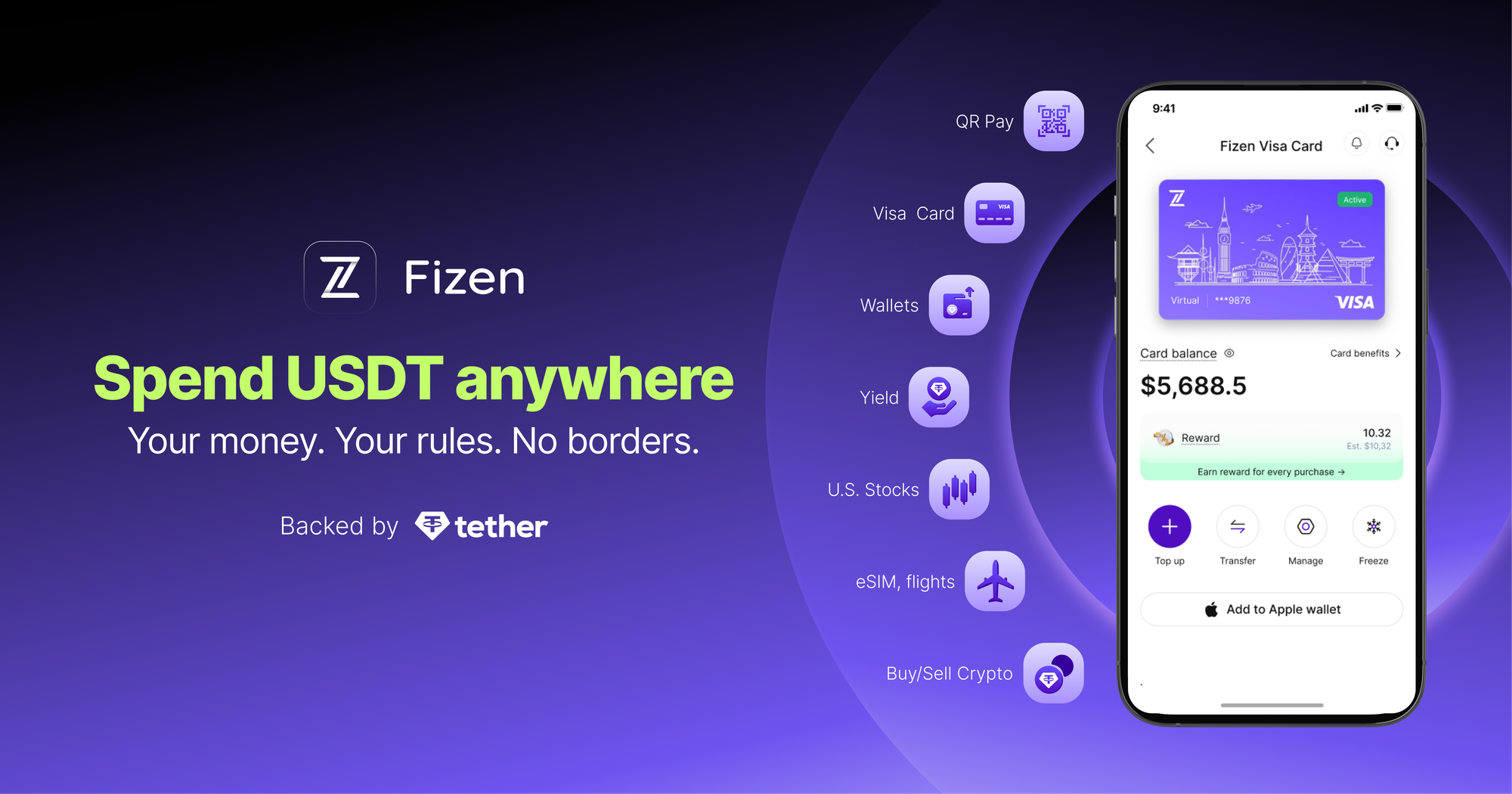
Fizen: get paid in USDT you actually control
Receive USDT into a wallet only you control, hold it as stable digital dollars, then spend by card or QR, send across 64 countries, or cash out to local currency via P2P. Backed by an investment from Tether.
Fizen is a self-custody app: you hold your own balance, and availability of products varies by country and partner at the time. Not offered to US Persons. Backed by an investment from Tether. This is general information, not financial or tax advice.
Terms and conditions
- Information only. Fizen publishes this article to inform, not to sell. Nothing here is an offer or solicitation, and it is not financial, investment, legal or tax advice. Prices, rules and availability change; check official sources.
- For readers in the United States. This article provides information only. It is not an offer, solicitation or sale of any product or service, and it is not financial, investment, legal or tax advice. Fizen is not offered to US Persons.
- Full terms. Master Terms of Use, Privacy Policy and Disclaimer on the Fizen site.