How to Spend and Hold USDT in Australia (2026)
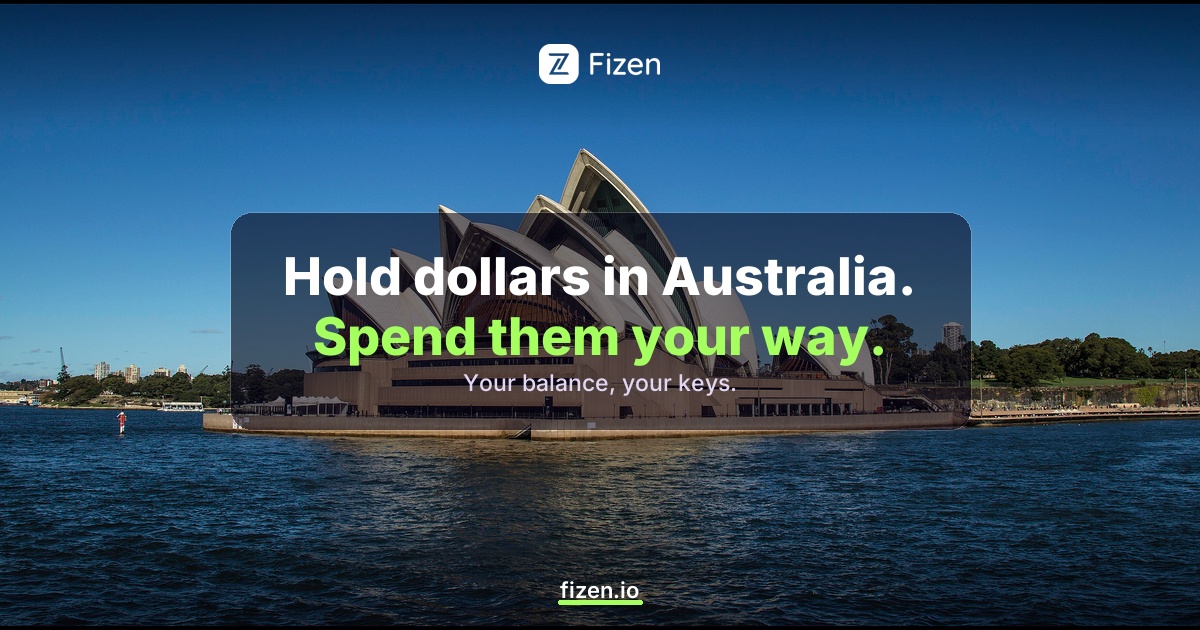
Got USDT and live in Australia? How to hold it yourself, cash out to AUD via P2P, spend by card, and use it abroad, without parking it on an exchange.
Key takeaways
- You can hold USDT yourself in Australia rather than leaving it on an exchange, keeping control of your balance.
- To spend locally, cash out to AUD through peer-to-peer, or spend from a card funded by your balance.
- When you travel to Southeast Asia, you can pay by QR directly, turning the same USDT into local spending.
- Self-custody means no single platform can freeze, delist or convert your balance out from under you.
Plenty of Australians hold USDT but leave it sitting on an exchange, unsure how to actually use it. You have more control than that. Here is how to hold, spend and move USDT in Australia in 2026 as a self-custody balance, so it works like digital dollars you own rather than an IOU on a platform.
Why hold USDT yourself instead of on an exchange?
An exchange holds your balance for you, which means it can be restricted, delisted in your region, or frozen during an incident. A self-custody wallet is just you holding your own asset. The recent wave of stablecoin delistings and platform changes is exactly why self-custody demand jumped: your dollars stay yours.
How do you spend or cash out USDT in Australia?
- Cash out to AUD: sell USDT for Australian dollars through peer-to-peer and receive it to your bank, when you want local cash.
- Spend from a card: fund a card from your balance and pay where cards are accepted, including Apple Pay and Google Pay.
- Keep it as dollars: hold USDT as a stable dollar balance and convert only what you need, when you need it.
How do you use the same USDT when you travel?
This is where holding your own balance shines. Fly to Vietnam or the Philippines and you can pay merchants by QR straight from your USDT, no local bank account required. The dollars you held in Australia become local spending the moment you land, which is far cheaper than card foreign-transaction fees abroad.
| Want to | Do this |
|---|---|
| Get Australian dollars | Sell USDT to AUD via P2P to your bank |
| Spend at home | Card funded from your balance, incl. Apple/Google Pay |
| Spend while travelling in SEA | Pay by QR in Vietnam or the Philippines |
| Just hold dollars | Keep USDT in self-custody, convert as needed |
A note on tax: cashing out or spending crypto can be a taxable event in Australia. Keep records and, for anything sizeable, talk to an accountant. This is general information, not tax advice.
Frequently asked questions
Can I spend USDT in Australia?
Yes. Cash out to Australian dollars via peer-to-peer to your bank, or spend from a card funded by your balance, including Apple Pay and Google Pay.
Is it better to hold USDT myself or on an exchange?
Self-custody keeps your balance under your control, so no platform can freeze, delist or convert it. An exchange holds it for you and can restrict it in your region.
How do I cash out USDT to AUD?
Sell USDT for Australian dollars through peer-to-peer in your wallet and receive it to your bank account.
Can I use my USDT when travelling?
Yes. In Vietnam and the Philippines you can pay merchants by QR directly from your USDT, with no local bank account needed.
Is spending USDT taxable in Australia?
Cashing out or spending crypto can be a taxable event. Keep records and consult an accountant for anything sizeable. This is general information, not tax advice.
Dollars parked on an exchange are dollars you only rent. Hold them yourself and put them to work.
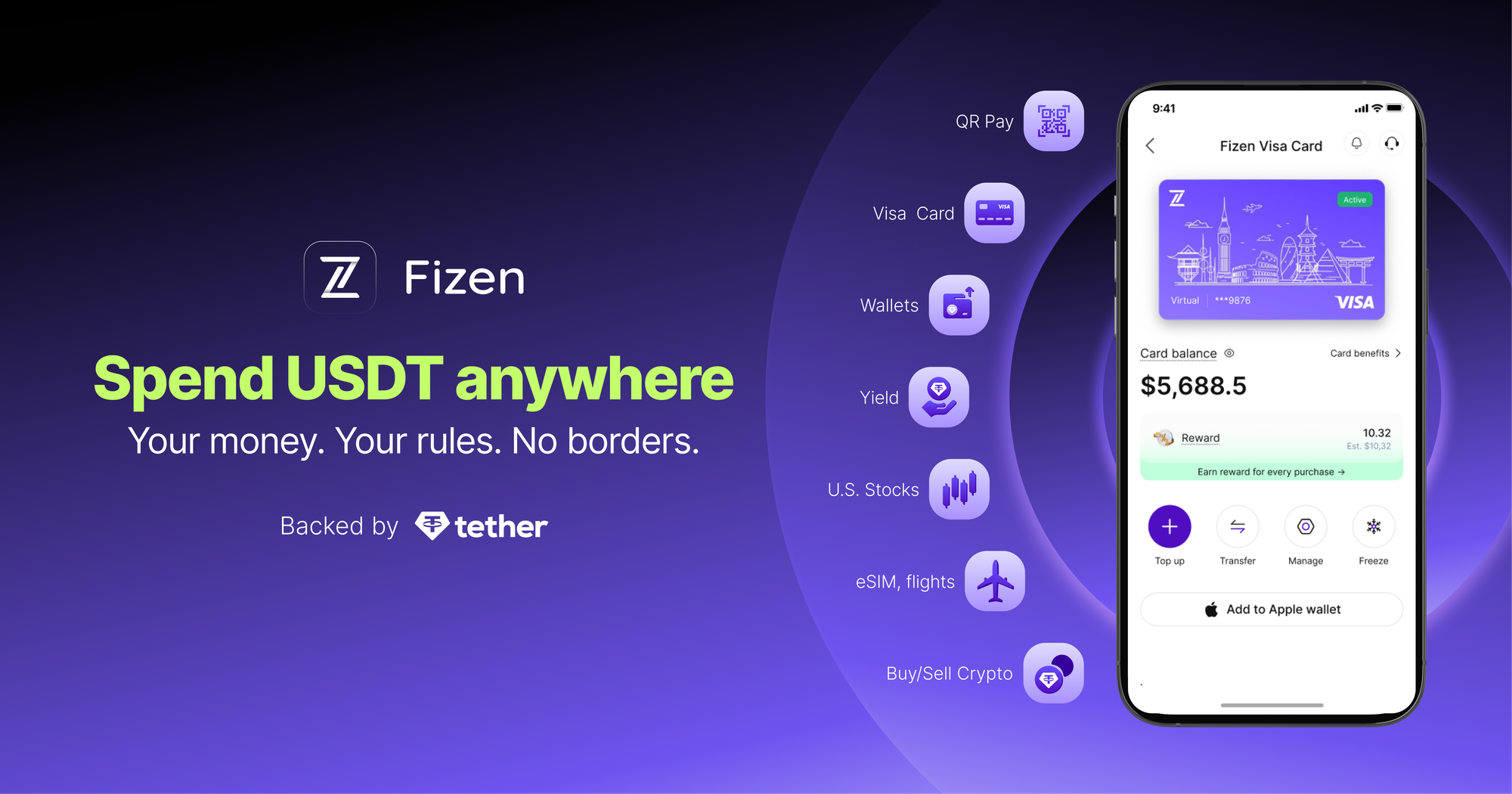
Fizen — hold, spend and send USDT yourself
A self-custody super app: your balance stays in your control. Buy and sell crypto via P2P in 64 countries or Transak, QR pay in Vietnam and the Philippines, invest in tokenized US stocks, a travel eSIM, and a Visa card. One app.
Fizen lets you hold your own balance and move it across borders. Availability of buy, sell, transfer, QR pay, tokenized stocks and eSIM varies by country, and whether any individual transaction completes depends on the networks, counterparties and partners at the time. Fizen is backed by an investment from Tether. For more, see the Fizen Docs and Terms of Use. This article is for general information only and is not financial, legal or tax advice.
Terms and conditions
- Information only. Fizen publishes this article to inform, not to sell. Nothing here is an offer or solicitation, and it is not financial, investment, legal or tax advice. Prices, rules and availability change; check official sources.
- For readers in the United States. This article provides information only. It is not an offer, solicitation or sale of any product or service, and it is not financial, investment, legal or tax advice. Fizen is not offered to US Persons.
- Full terms. Master Terms of Use, Privacy Policy and Disclaimer on the Fizen site.