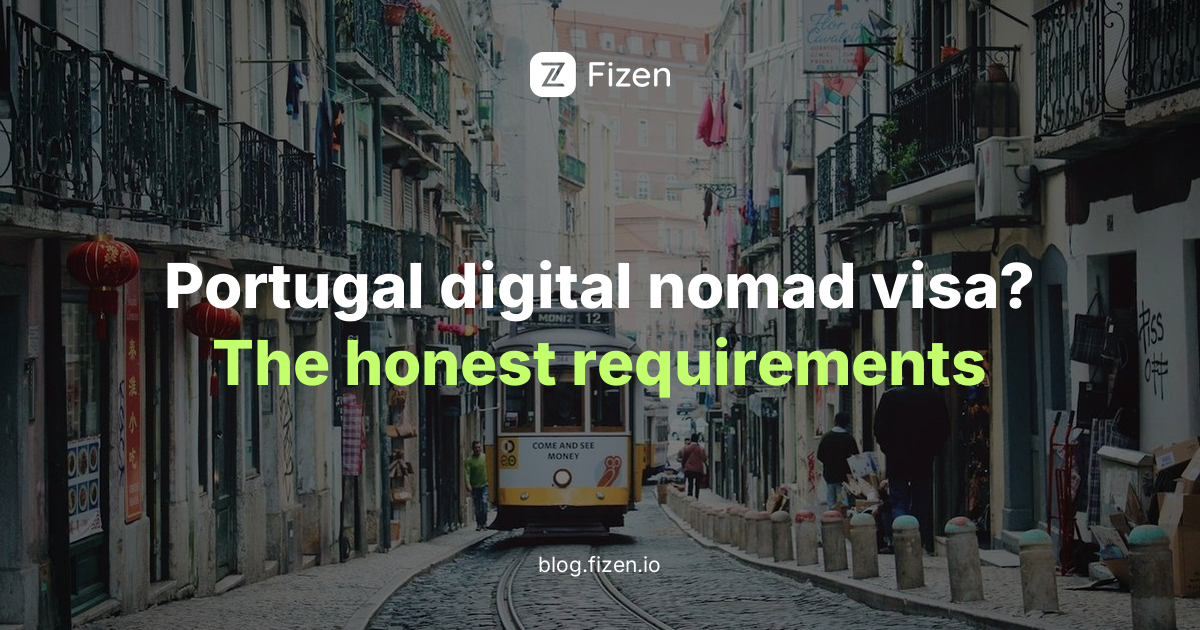
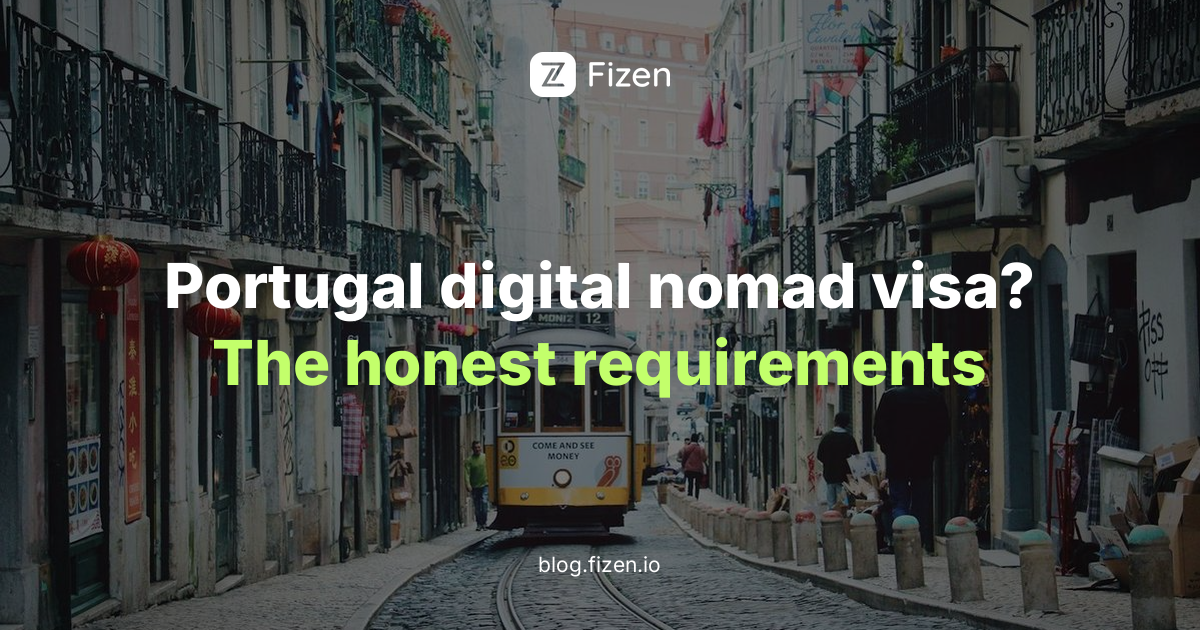
Portugal Digital Nomad Visa 2026: Rules, Income, Reality
Lisbon rents have doubled, everyone complains, and the cafes are still full of laptops.
Key takeaways
- Portugal's route for remote workers is the D8 digital nomad visa: 1 year, renewable into residency; a real path to permanent residency after 5 years.
- Income requirement: roughly €3,400-3,500 per month (four times the Portuguese minimum wage).
- How you apply: apply at a portuguese consulate in your country, then convert to a residence permit with aima after arrival.
- The standout: a genuine residency and citizenship track, which almost no other nomad visa offers.
- Rules and thresholds change; confirm current figures on the official portal linked below before you book anything.
Lisbon rents have doubled, everyone complains, and the cafes are still full of laptops. Portugal remains the default European base for a reason: the D8 is one of the few nomad visas that leads somewhere permanent.
The visa at a glance
Figures move. Before booking flights, check the current numbers at the Portuguese visa portal.
Who it actually suits
People who want Europe long-term, not a season. The D8 converts into residency, counts toward permanent status at year five, and Portuguese bureaucracy, while slow, is survivable in English.
The money part nobody plans
Every nomad-visa checklist covers income proof and insurance, then goes silent on the annoying part: actually living off foreign money in Portugal. Your home card gets flagged, foreign-transaction fees stack, and opening a local bank account on a temporary visa ranges from tedious to impossible.
The setup that survives borders: get paid in USDT to a wallet you control, then spend it directly, by Visa card where cards work and by QR where they rule. Fizen does both from one self-custody balance, with no local bank required and no bank to freeze your card for the crime of buying groceries abroad. Backed by an investment from Tether.
Internet, before you commit
Verify real speeds in your exact neighbourhood, not the national average, before signing a lease. For the landing week, an eSIM sorted before the flight means you exit arrivals already online: see our eSIM guide for what actually works.
Frequently asked questions
Does Portugal have a digital nomad visa in 2026?
Yes. The D8 digital nomad visa allows remote workers to stay 1 year, renewable into residency; a real path to permanent residency after 5 years. Always confirm current conditions on the official portal, as details change.
What is the income requirement for Portugal's digital nomad visa?
As of 2026, roughly €3,400-3,500 per month (four times the Portuguese minimum wage). Thresholds are updated periodically, so verify the exact current figure with the official source before applying.
How do I apply for the D8 digital nomad visa?
Apply at a Portuguese consulate in your country, then convert to a residence permit with AIMA after arrival.
How do digital nomads handle money in Portugal?
Most run two rails: get paid into an account or wallet you control, and spend locally by card or QR. With Fizen you receive USDT in self-custody, spend it by Visa card in 150+ countries, and avoid opening a local bank account just to live somewhere for a year.
Get paid in USDT, spend it in Portugal
Receive client or salary payments in USDT to a self-custody wallet, spend by Visa card in 150+ countries or local QR, no local bank account needed. Backed by an investment from Tether.
Immigration rules change without notice; this guide reflects early-2026 conditions and is not legal advice. Verify current requirements at the Portuguese visa portal before applying. Fizen is a self-custody app, backed by an investment from Tether.
Terms and conditions
- Information only. Fizen publishes this article to inform, not to sell. Nothing here is an offer or solicitation, and it is not financial, investment, legal or tax advice. Prices, rules and availability change; check official sources.
- For readers in the United States. This article provides information only. It is not an offer, solicitation or sale of any product or service, and it is not financial, investment, legal or tax advice. Fizen is not offered to US Persons.
- Full terms. Master Terms of Use, Privacy Policy and Disclaimer on the Fizen site.