How to Cash Out USDT in Lebanon (2026): Rates, OTC and Safety
Lebanon runs on cash dollars and USDT while the banks stay frozen. Here is how to cash out USDT to real US dollars safely in 2026, and why self-custody matters.

Key takeaways
- With Lebanon's banking system still frozen, USDT and physical US dollars do the job banks used to, and cashing out means getting cash dollars, not a bank transfer.
- The main routes are OTC dealers and peer-to-peer trades that pay you US dollars in cash, usually for a small spread.
- After the banking collapse, self-custody matters most: hold USDT in a wallet only you control rather than leaving it on a platform.
- Meet in safe places, verify the dealer, and count and check the cash before releasing the USDT.
Lebanon is one of the clearest examples in the world of why stablecoins exist. With the banking system effectively frozen since 2019, people run daily life on physical US dollars and USDT. So cashing out USDT here does not mean a bank withdrawal, it means turning digital dollars into cash dollars in your hand. Here is how that works in 2026, the rate to expect, and how to do it safely.
Why is USDT so widely used in Lebanon?
Because the banks are not a reliable place to keep money. After the 2019 collapse, deposits were trapped and the local currency lost most of its value. USDT gives Lebanese a dollar that lives on a phone, moves instantly, and does not sit inside a bank that might not let you withdraw. That is why it became everyday money.
How do you cash out USDT to dollars in Lebanon?
- OTC dealers: exchange shops and dealers buy USDT and hand you US dollars in cash. Agree the rate first and use a known, reputable dealer.
- Peer-to-peer: sell USDT to a buyer who pays you cash dollars, ideally through a platform with escrow or a trusted contact.
- Hold it as dollars: often you do not need to cash out at all, since USDT already is a dollar you can send or spend digitally.
What rate and fees should you expect?
| Route | Typical spread | Payout |
|---|---|---|
| OTC dealer | small, agree first | Cash US dollars |
| P2P (escrow) | small | Cash or transfer |
| Airport / tourist exchange | worse | Cash |
Rates vary by dealer and amount; always confirm before trading.
How do you stay safe?
This is the part that matters most in Lebanon. Hold your USDT in a self-custody wallet you control, not on a platform that could freeze or vanish, since people here have already lived through losing access to their money once. When you trade, use a reputable dealer or escrow, meet in a safe public place for cash, and count and check the notes before you release the USDT. Never move first on trust alone.
Frequently asked questions
What is the best way to cash out USDT in Lebanon?
Through a reputable OTC dealer or an escrow-backed peer-to-peer trade that pays you US dollars in cash. Agree the rate first and verify the counterparty.
Why do Lebanese use USDT instead of banks?
Because banks froze deposits after the 2019 collapse. USDT is a dollar that lives on your phone, moves instantly, and is not trapped inside a bank.
Is it safe to hold USDT in Lebanon?
Safer in a self-custody wallet you control than on a platform. After the banking crisis, not trusting a third party with your money is the whole point.
What rate will I get?
A small spread over the dollar value, depending on the dealer and amount. Always confirm the rate before trading and compare a couple of dealers.
What are the risks?
Fake notes, bad rates and theft during cash meetups. Use trusted dealers or escrow, meet safely, and check the cash before releasing the USDT.
In Lebanon, your money should answer to you, not a frozen bank. Hold it yourself and cash out on your terms.
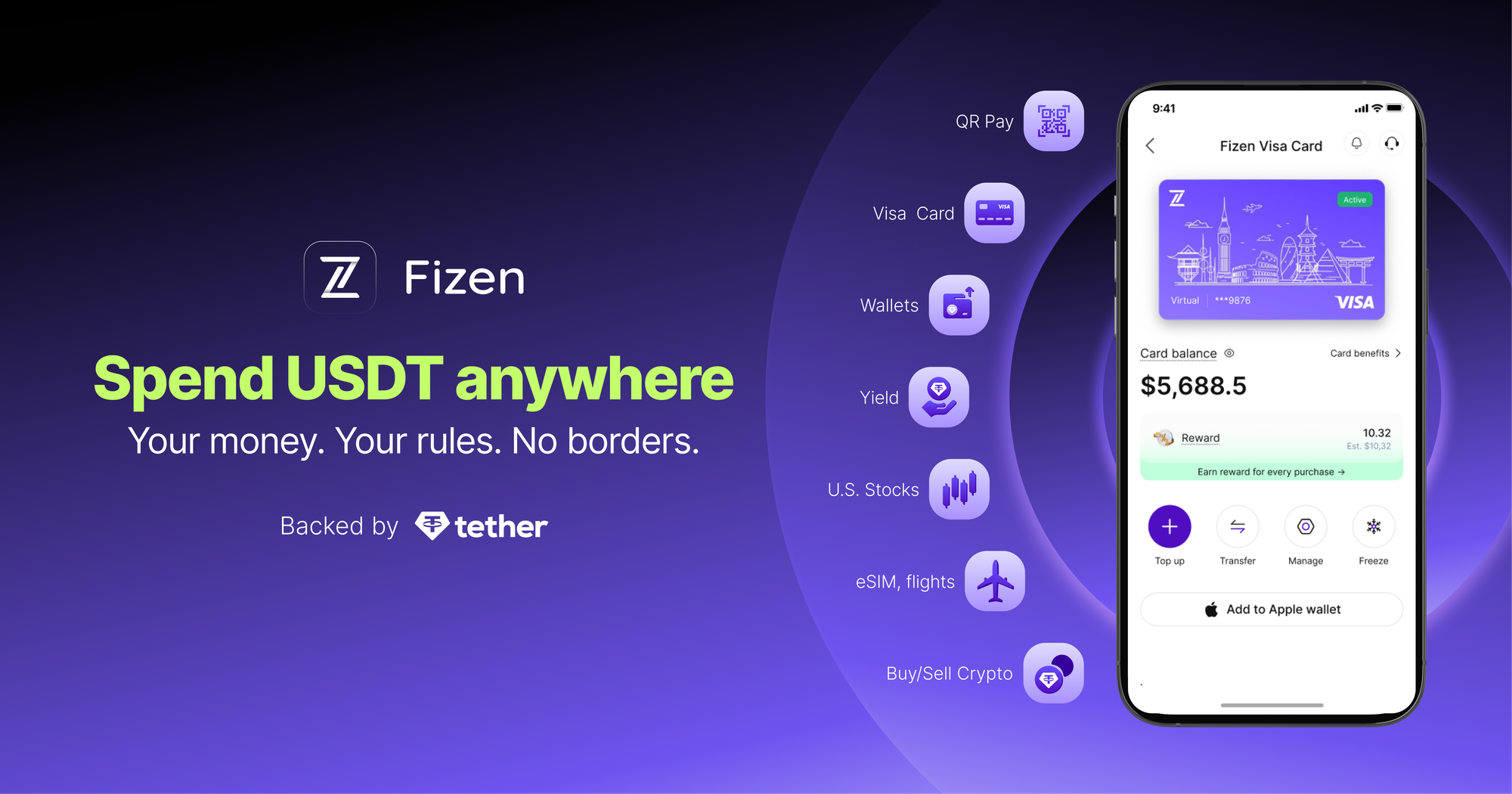
Fizen: hold USDT yourself, cash out on your terms
A self-custody super app: keep USDT in a wallet only you control, then cash out to local currency via P2P when you choose. Also a travel eSIM, tokenized US stocks and a Visa card. Backed by an investment from Tether.
Fizen is a self-custody app: you hold your own balance, and availability of features varies by country and partner at the time of each transaction. Backed by an investment from Tether. This is general information, not financial or tax advice. See the Terms of Use.
Terms and conditions
- Information only. Fizen publishes this article to inform, not to sell. Nothing here is an offer or solicitation, and it is not financial, investment, legal or tax advice. Prices, rules and availability change; check official sources.
- For readers in the United States. This article provides information only. It is not an offer, solicitation or sale of any product or service, and it is not financial, investment, legal or tax advice. Fizen is not offered to US Persons.
- Full terms. Master Terms of Use, Privacy Policy and Disclaimer on the Fizen site.