
Balance Stablecoin (BLC) Collapses 99% After a $912K Oracle Exploit
Balance (BLC), an algorithmic stablecoin, lost 99% on July 22, 2026 after an oracle exploit drained about $912K. How the attack worked, and why not all stablecoins carry the same risk.

Key takeaways
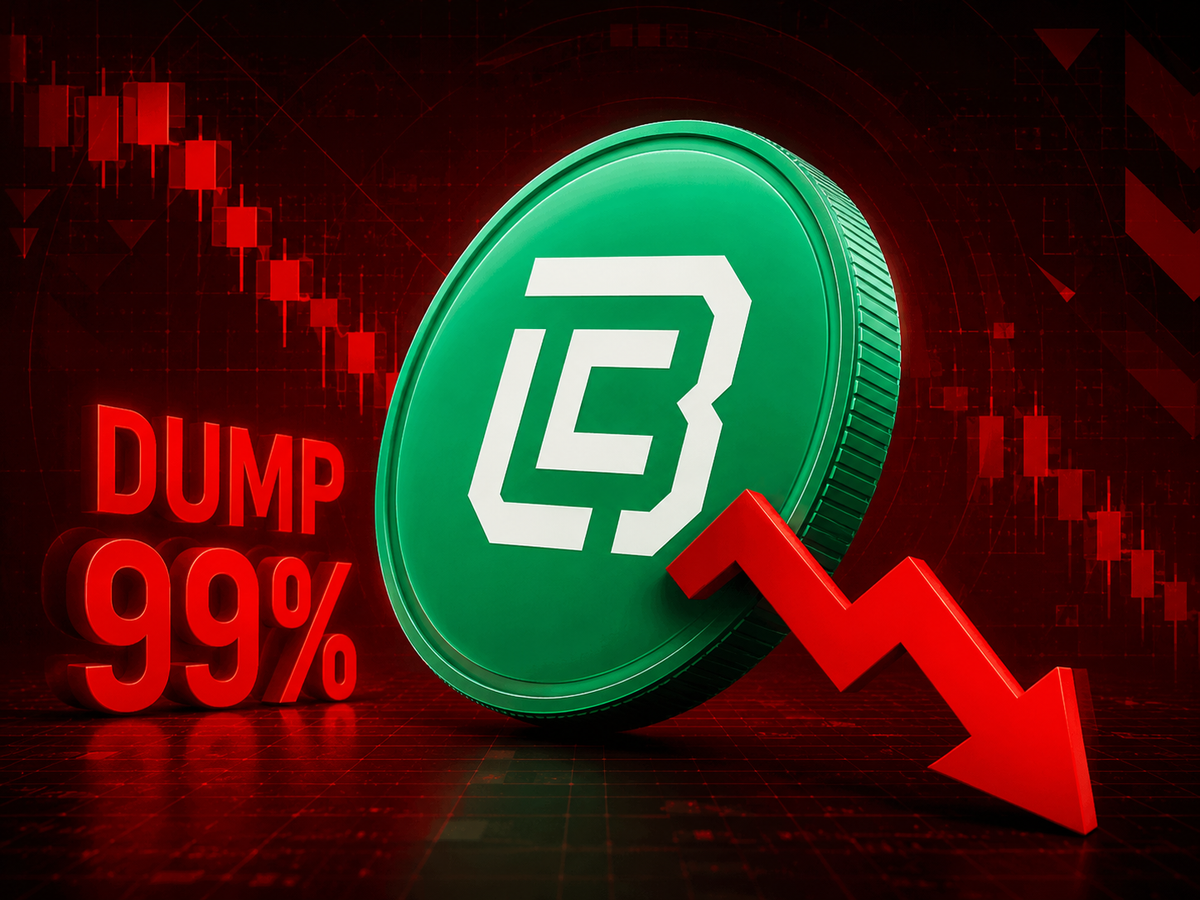
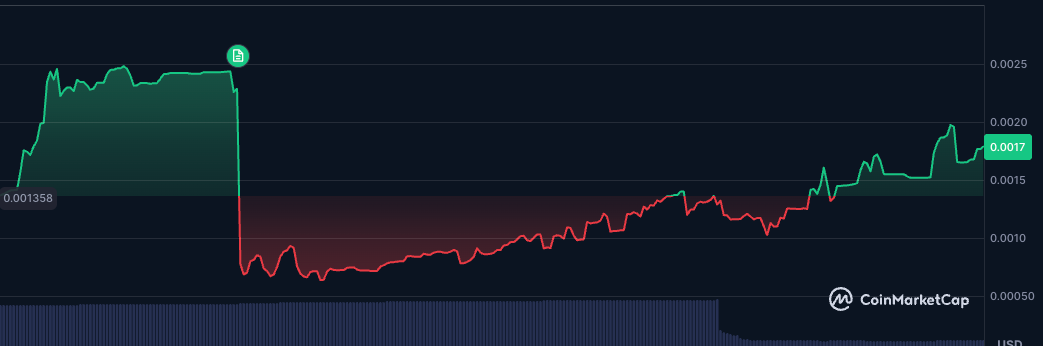
- On July 22, 2026, Balance (BLC), an algorithmic stablecoin from 42DAO on BNB Chain, lost about 99% of its value, falling from roughly $1 to around $0.0014.
- An attacker manipulated the protocol's price oracle with a fake, artificially low Bitcoin price, so healthy, overcollateralized vaults were flagged as insolvent and liquidated, draining about $912,000 in a single transaction.
- The security gap was basic: no validation of the price against a sane range and no delay before liquidations, per SlowMist and PeckShield.
- The lesson: a stablecoin is not one single thing. An algorithmic coin backed by volatile crypto and one price feed is a very different risk from a major reserve-backed stablecoin you hold yourself.
Another algorithmic stablecoin has gone to almost zero. On July 22, 2026, a coin called Balance (BLC) lost about 99% of its value in a single exploit. Here is what happened, how the attack worked, and the honest lesson about what actually keeps a digital dollar stable. Reporting from CoinDesk and The Crypto Times.
What happened
Balance (BLC) was an algorithmic stablecoin run by 42DAO on BNB Chain, designed to hold a $1 peg. Users locked crypto collateral to mint the coin, in a Maker-style system where vaults get liquidated if their collateral falls too far. On July 22, 2026, the coin collapsed from about $1 to roughly $0.0014, and its market value fell from around $3.5 million to near zero, per Blockonomi.
How the exploit worked
The attacker did not break the code so much as feed it a lie. According to security firms SlowMist and PeckShield, the attacker manipulated the protocol's price oracle, the external feed it used for the Bitcoin price, and pushed in a value far below the real market price. The lending contract accepted that fake price without checking it against a reasonable range, and without any delay before acting. So healthy, overcollateralized vaults suddenly looked insolvent, the system liquidated them exactly as designed, and the attacker walked away with the seized collateral, about $912,000, in a single transaction.
Why it collapsed to near zero
Once the vaults backing the coin were drained, there was nothing left to hold the peg. An algorithmic stablecoin is only as stable as its collateral and the machinery that values it. Remove the collateral, and the coin is just a token with no backing, which is why it fell 99% almost instantly. The missing protections here, validating the price against a sane range and adding a short delay before liquidations, are considered baseline design in DeFi. Without them, the attack needed nothing more sophisticated than the ability to write a false number into the system.
Not all stablecoins are the same
This is the part worth internalizing. The word stablecoin covers very different things. On one end are small, experimental, algorithmic coins backed by volatile crypto and dependent on a single price feed, which can be manipulated, as Balance just showed. On the other end are large, reserve-backed stablecoins like USDT, which are backed by reserves and are not minted against a lending protocol's oracle. They are not risk-free, but they are a different category of risk. Judging them all by the word stablecoin is how people get hurt.
What it means for how you hold your dollars
Two practical takeaways. First, know what backs the stablecoin you hold: reserves, or an algorithm and volatile collateral. Second, where you hold it matters. Money parked inside a yield or lending protocol is exposed to that protocol's bugs and oracle risks; a stablecoin you hold in self-custody, in a wallet only you control, is not. Fizen is built on exactly that principle: you hold your own USDT, a major reserve-backed dollar, in a self-custody wallet, and spend it by card or QR, rather than leaving it inside a protocol that can be drained.
Sources
Frequently asked questions
What is Balance (BLC)?
Balance (BLC) was an algorithmic stablecoin run by 42DAO on BNB Chain, designed to hold a $1 peg by having users lock crypto collateral to mint it, in a Maker-style vault system.
What happened to Balance stablecoin?
On July 22, 2026, it collapsed about 99%, from roughly $1 to around $0.0014, after an attacker manipulated its price oracle and drained about $912,000 from its vaults in one transaction.
How was the exploit carried out?
The attacker fed the protocol's oracle a fake, artificially low Bitcoin price. With no price validation and no liquidation delay, healthy vaults were flagged insolvent and liquidated, letting the attacker seize the collateral.
Does this mean all stablecoins are unsafe?
No. It shows algorithmic coins backed by volatile crypto and a single oracle are a specific, higher risk. Large reserve-backed stablecoins like USDT are a different category, though no asset is risk-free.
How can I reduce this kind of risk?
Know what backs your stablecoin, prefer major reserve-backed ones, and hold them in self-custody rather than inside a lending or yield protocol that can be exploited.
A stablecoin is only as stable as what backs it. Know what you hold, and hold it yourself.
Hold your own USDT, in self-custody
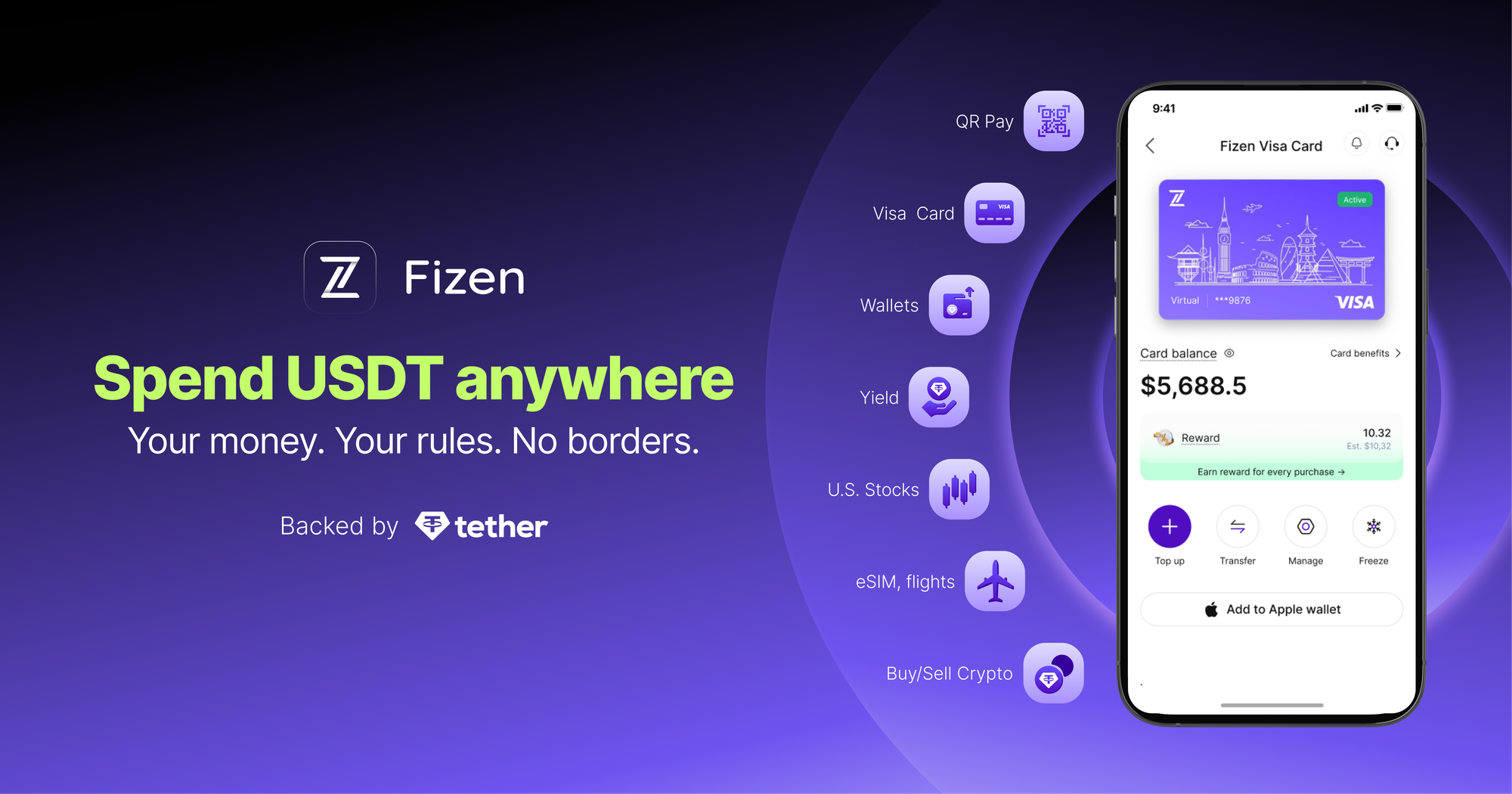
Fizen is a self-custody super app: you hold your own USDT, a major reserve-backed dollar, and spend it by Visa or QR, send it, and more, from a wallet only you control, not a protocol that can be drained. Backed by an investment from Tether.
This is general information, not financial advice; do your own research. No asset is risk-free. Fizen is a self-custody super app: you hold your own keys and balance. Backed by an investment from Tether.
Terms and conditions
- Information only. Fizen publishes this article to inform, not to sell. Nothing here is an offer or solicitation, and it is not financial, investment, legal or tax advice. Prices, rules and availability change; check official sources.
- For readers in the United States. This article provides information only. It is not an offer, solicitation or sale of any product or service, and it is not financial, investment, legal or tax advice. Fizen is not offered to US Persons.
- Full terms. Master Terms of Use, Privacy Policy and Disclaimer on the Fizen site.