Tokenized Stocks vs Real Stocks: What's the Difference? (2026)
Tokenized stocks sound like magic and marketing. Here is the honest, plain-English breakdown of what they are, what you actually own, and the trade-offs.
Key takeaways
- A tokenized stock is a token that tracks the price of a real share, so its value moves with the underlying stock.
- You get price exposure and can trade 24/7 in fractions, without a traditional brokerage account.
- You usually do not get shareholder voting rights, and you are trusting the issuer's structure behind the token.
- The market risk is the same as the real stock: prices go down as well as up.
Tokenized stocks get pitched with a lot of hype, so here is the plain version. A tokenized stock is not a magic new asset; it is a token designed to track the price of a real, existing share. Understanding exactly what you own, and do not own, is the difference between a smart tool and a nasty surprise. Here is the honest breakdown for 2026.
What you actually own
You own a token whose value is meant to move one-for-one with a real share, so if the stock rises 3 percent, your token should too. What you generally do not get is the legal bundle that comes with holding the share directly through a broker: voting rights, and in many structures, direct dividend handling depends on the issuer. So it is exposure to the price, delivered in a more flexible wrapper.
The genuine advantages
- Fractional: buy a few dollars of an expensive stock, no full-share minimum.
- 24/7: trade outside US market hours, when a traditional broker is closed.
- No brokerage: buy from a wallet you control, which matters if opening a US brokerage from your country is hard.
The honest trade-offs
You are trusting the issuer's structure behind the token to actually track the stock and hold whatever backs it. Voting rights are usually not included. Liquidity can be thinner than the real market. And the market risk is identical: a tokenized Tesla falls exactly as fast as real Tesla. None of this makes tokenized stocks bad, it makes them a tool with a clear shape you should understand before using.
| Real stock (broker) | Tokenized stock | |
|---|---|---|
| Price exposure | Yes | Yes |
| Voting rights | Yes | Usually no |
| Trading hours | Market hours | 24/7 |
| Fractional | Sometimes | Yes |
| Account | Brokerage | A wallet |
Frequently asked questions
Are tokenized stocks the same as real stocks?
They track the same price, so you get the same market exposure, but you usually do not get shareholder voting rights and you rely on the issuer's structure behind the token.
Do I get dividends from tokenized stocks?
It depends on the issuer's structure; some reflect dividends, others do not. Check before you buy.
Are tokenized stocks riskier than real stocks?
They carry the same market risk plus issuer and liquidity considerations. The price risk is identical; the wrapper adds its own factors.
Can I vote as a shareholder?
Usually not. Tokenized stocks give price exposure, not voting rights.
Why use them at all?
Fractional sizing, 24/7 trading, and access without a traditional brokerage, which matters if you cannot easily open one.
Understand the wrapper before you use it. Then decide if tokenized stocks fit how you invest.
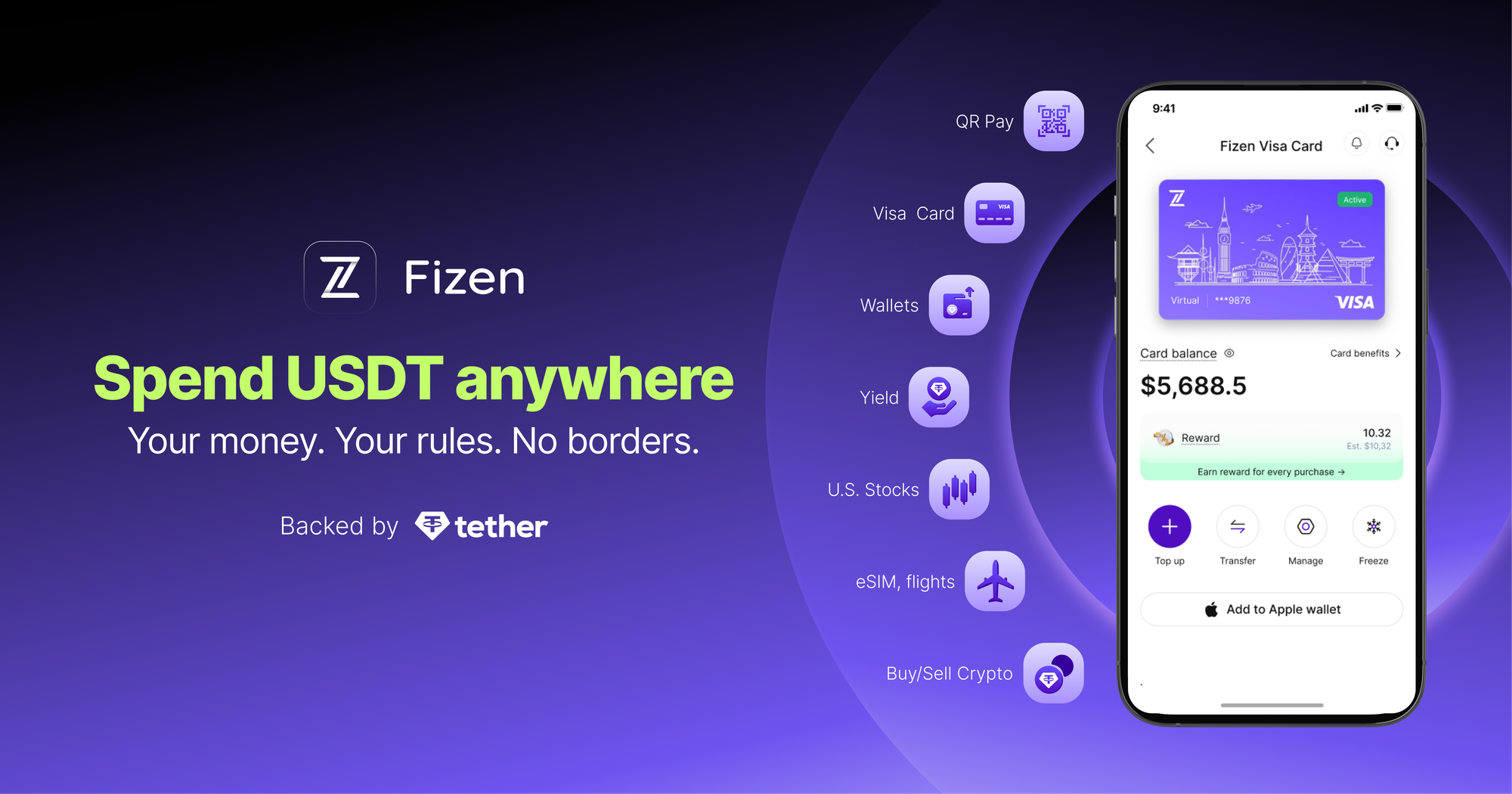
Trade US stocks in the Fizen app
No KYC, no brokerage, 1:1 liquidity. Buy and sell 100+ tokenized US stocks and ETFs with USDT, in fractional amounts, 24/7, from a wallet you control. Availability varies by country; not for US Persons.
Fizen is a self-custody app: you hold your own balance, and availability of products varies by country and partner at the time. Not offered to US Persons. Backed by an investment from Tether. This is general information, not investment advice.
Terms and conditions
- Information only. Fizen publishes this article to inform, not to sell. Nothing here is an offer or solicitation, and it is not financial, investment, legal or tax advice. Prices, rules and availability change; check official sources.
- For readers in the United States. This article provides information only. It is not an offer, solicitation or sale of any product or service, and it is not financial, investment, legal or tax advice. Fizen is not offered to US Persons.
- Full terms. Master Terms of Use, Privacy Policy and Disclaimer on the Fizen site.