How to Pay in Vietnam as a Tourist in 2026. A Practical Guide to Cards, Cash, ATMs & QR.
Vietnam is a QR-first country. Cards work in hotels and malls, but many cafes, markets, and local shops prefer QR or cash. This guide explains how travelers can pay in Vietnam, use VietQR without a local bank account, and avoid ATM and card fees.

Quick answer: In Vietnam, daily payments are often QR-first. Cards work mostly in hotels, malls, and larger chains, but many small cafes, local restaurants, markets, and services prefer QR or cash. Keep a small cash backup, and use a QR-ready setup for most everyday purchases.
Vietnam is easy to love: incredible food, unreal landscapes, and a coffee culture that’s worth the trip by itself. But paying for things can surprise first-timers. Especially if you rely on cards.
Vietnam Went QR-First
Modern Vietnam moved fast into digital payments. VietQR is widely used across cities and tourist areas: coffee shops, small eateries, convenience stores, local services, even individual sellers often have a printed QR code.
So the real question isn’t whether you can pay cashless, it’s whether you have a setup that lets you use those codes smoothly as a visitor.
Paying with QR Without a Vietnamese Bank Account
Traditionally, QR payments were easiest with a local bank account. Now, some apps and wallets help foreigners access QR payments without going through local banking steps.
If your goal is simple: scan a VietQR code and pay — pick one tool, fund it, verify once, and use it for daily spending.
Fizen Super App (QR Pay for Travelers)
Fizen is built around travel-friendly crypto and payment use cases, including QR payments. The idea is straightforward: fund your balance, scan VietQR, and pay like locals, without relying on card terminals.
What it looks like in practice:
- Scan a QR code at checkout
- Confirm payment in-app
- Done
Verification note: Some QR Pay features may require identity verification due to compliance rules. This is standard for financial apps and helps prevent fraud and misuse. If verification is required, it’s typically a one-time step.
Why This Can Be Easier Than Cards + ATMs
Here’s the practical travel math:
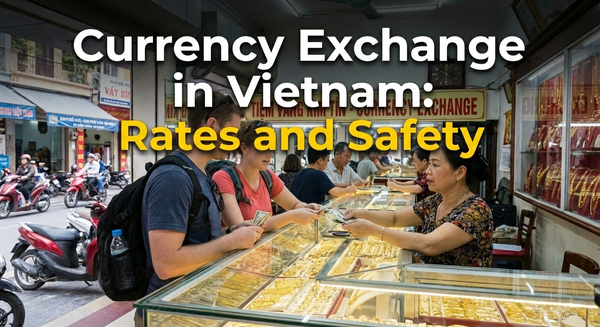
- Airport exchange and random exchange booths often bake in an unfavorable spread.
- ATMs can stack fees (local ATM fee + your bank’s fee + FX spread).
- Cards may add foreign transaction fees and many smaller spots won’t accept cards anyway (or may pass the fee to you).
A QR-first setup reduces the constant “cash management” loop: hunting for ATMs, carrying more cash than you want, and playing card-acceptance roulette.
Fizen helps you avoid all of that and pay directly with your phone.Fizen doesn’t charge a top-up fee and. For New Year 2026, there’s a 0-fee campaign for transactions, running from December 2nd, 2025 to January 15th, 2026.
Where cards usually work: hotels, shopping malls, larger restaurants, supermarkets, and international chains.
Where cards often don’t: street food, small cafes, markets, salons, local services, and smaller independent shops — these places frequently use QR or cash only.
Setup (Takes Minutes)
- Download the app
- Complete verification (if required)
- Add funds (methods vary by region)
- Scan VietQR and pay
No appointments, no paperwork runs, no guessing which places will accept your card.
What This Means for Your Trip
If you’re in Vietnam for two weeks or two months: Ho Chi Minh City, Hanoi, Da Nang, anywhere, payments shouldn’t be the part of your day you think about.
Use cash when you need it, keep a card for hotels/large merchants, but for daily spending in Vietnam, a QR-ready option is often the difference between “friction” and “smooth”.
FAQ
Do tourists need cash in Vietnam?
Yes, as a backup. QR is common, but cash helps in edge cases.
Can foreigners use VietQR without a Vietnamese bank account?
In many cases, yes. Via apps and wallets that support QR payments for visitors.
Do I need mobile data for QR payments?
Usually yes. If you’re offline, use cash or card where accepted.
Do QR payments require verification (KYC)?
Yes, depending on the app’s compliance flow. If verification is required, it’s typically a one-time step.
Are ATMs worth it?
They work, but fees + FX spread can make them expensive for frequent withdrawals.