How to Pay in the Philippines as a Tourist in 2026. A Practical Guide to Cards, Cash, ATMs & QR.

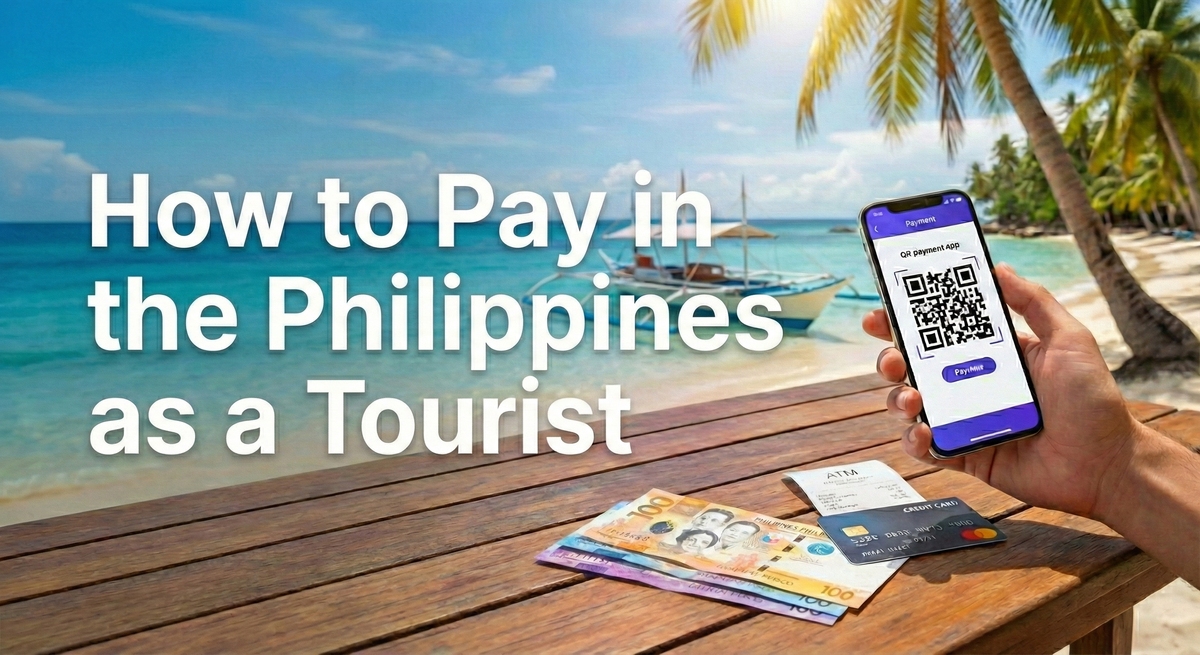
The best way to pay for things in the Philippines is a combination of cash (Philippine Peso) for local markets and digital wallets (QR PH) for everything else. While credit cards are accepted in major cities like Manila and Cebu, the country has skipped the "card era" and moved directly to mobile payments. For foreigners and crypto-native users, the Fizen Super App now provides a bridge, allowing you to scan local QR codes and pay directly with USDT.
What is the best way to pay for things in the Philippines?
In 2026, the payment landscape is dominated by the QR PH standard. This is a unified system where one QR code can be scanned by any participating banking or fintech app.
- For Tourists: Use a digital wallet for malls and restaurants, but always keep 2,000–5,000 PHP in cash for emergencies.
- For Expats: Linking a local bank account to GCash or using a crypto-neobank like Fizen is the most efficient way to manage daily expenses.
Is it better to use card or cash in the Philippines?
Cash remains essential. Outside of high-end establishments, "cash is king," especially in island destinations like Siargao or El Nido.
- Cash Pros: Accepted everywhere; no service fees for small vendors.
- Cash Cons: Risk of theft; difficulty getting exact change; ATM withdrawal fees (typically 250 PHP for foreign cards).
Cards (Visa/Mastercard) are reliable in cities. Most supermarkets, department stores, and hotels accept contactless payments.
- Card Pros: Secure; automatic currency conversion; easy tracking of expenses.
- Card Cons: 1%–3% foreign transaction fees; limited acceptance in "Sari-sari" (neighborhood) stores.
What are the best digital wallets accepted in the Philippines?
The Philippines is one of the world's leaders in mobile wallet adoption. If you are asking "Which apps allow mobile payments in the Philippines?", these are the top contenders:
| App | Best For | Key Feature |
|---|---|---|
| GCash | Local ubiquity | Paying bills, transport (Grab), and small vendors. |
| Fizen | Everyday spends | Paying with stablecoins via QR PH scan to anyone. |
| Maya | Banking | High-interest savings and professional merchant tools. |
Fizen Super App: The PayFi Revolution
Fizen has been building around stablecoins for years to deliver a complete suite of crypto banking services. It allows you to turn digital assets into real-world freedom. Instead of exchanging your USD or crypto for Pesos at a physical booth, you can:
- Scan to Pay: Use your USDT balance to pay at any merchant displaying a QR PH code.
- Travel Utilities: Book Hotels and Flights directly in-app.
- Connectivity: Buy an eSIM for 150+ countries so you have data the moment you land.
Understanding QR PH: The National QR Code Standard
You no longer need five different apps to survive. The QR PH scan feature in your preferred wallet allows you to pay regardless of which bank the merchant uses.
How to use a QR PH app:
- Look for the blue, red, and yellow QR PH logo at the counter.
- Open your wallet (e.g., Fizen or GCash).
- Tap the Scan to Pay icon.
- Enter the amount in PHP and confirm.
This system reduces the need for physical contact and ensures the merchant receives funds instantly.
How can I send money to the Philippines from the US?
Many expats and remote workers ask: "Is Zelle working in the Philippines?" or "Can I use Venmo?". The short answer is No. Zelle and Venmo are restricted to US-based bank accounts and do not support international transfers to the Philippines.
Easiest ways to pay remotely or send money:
- Fizen P2P: The fastest and most cost-effective method. Send USDT from the US, and the recipient in the Philippines can use it to pay via qr (like Starbucks or Grab), or utilities.
- Wise (formerly TransferWise): Excellent for bank-to-bank transfers with low transparent fees.
- Remitly: Best for cash pickup at locations like Cebuana Lhuillier or Palawan Pawnshop.
Our Experience: When paying for services in the Philippines remotely, using a crypto-based solution like Fizen avoids the 3–5 day waiting period of SWIFT transfers. We’ve seen users save up to 7% on exchange rate spreads by using stablecoins.
Best Practices for Secure Payments
- Avoid Skimming: Use contactless or QR payments instead of swiping your card at bars or small cafes.
- Dual-Wallet Strategy: Keep your main savings in a secure, non-custodial wallet like Fizen and only transfer what you need for daily spending.
- Check the Logo: Ensure the merchant uses an official QR PH code to avoid phishing scams.
FAQ
Can Filipinos use Zelle?
No, Zelle requires a US social security number and a US bank account. Locals use GCash or Maya.
What money app does the Philippines use?
The most popular is GCash, followed by Maya. For those wanting to use crypto, Fizen is the leading "Crypto Neobank" in the region.
Is it safe to pay with a phone?
Yes, mobile payments via QR PH are generally safer than carrying large amounts of cash or using physical cards that can be cloned.
How do I pay someone in the Philippines from the USA?
Use Fizen P2P for instant stablecoin transfers or Wise for traditional bank deposits.