
Get Paid in USDT? How to Cash Out Without Losing It to Fees, a Frozen Bank, or a Tax Surprise
Paid in USDT? Here's how to cash out your stablecoin salary without high fees, a tax surprise, or a frozen bank account. A calm, plain-English 2026 guide.
This guide is general information, not financial, tax, or legal advice. Rules differ by country and change, so check what applies where you live, and talk to a local professional for anything that matters.
Getting paid in USDT feels great right up until you need rent money. A client or platform sends a stablecoin that tracks the dollar, it lands in minutes, and the fee to receive it is tiny. You did the work, the money is yours, and it is sitting right there in your wallet.
Then comes the part nobody warned you about: turning those dollars into rent, groceries, and a card that works at the shop, without handing a chunk to fees, tripping a tax problem, or watching your bank freeze the account because a stranger sent you money. If that has happened to you, you are not careless. The system just was not built for how you get paid.
Here is the calm, plain-English version of how to cash out USDT and keep as much of it as possible.
Short version: the cheapest, safest way depends on the amount and your country. For everyday money, spending directly from a stablecoin balance skips conversion fees entirely. For larger sums, a reputable licensed exchange with a clean bank withdrawal beats risky P2P once you count the cost of a frozen account. Whatever you choose, keep records of every payment and declare the income.
First, get your records straight
Before you move anything, do the boring thing that saves you later: keep a simple record of what you earned, from whom, and when. Screenshots of the work, the invoice, and the incoming payment are enough to start.
Here is why it matters. Most cash-out problems are not about crypto being "illegal." They are about money showing up that you cannot explain. A bank or tax office that can see clean records is far less likely to give you trouble than one staring at unexplained inflows. Treat your USDT income like any other income: real, declarable, documented.
Your cash-out options, compared
There is no single best way to cash out USDT. The right mix depends on your country, your amounts, and how fast you need the money. Here is the honest trade-off at a glance.
| Option | Speed | Cost | Risk | Best for |
|---|---|---|---|---|
| Spend it directly (a card that spends from your USDT balance) | Instant | Low, no conversion step | Low | Everyday spending, subscriptions |
| Reputable exchange to bank | 1 to 3 days | Trade fee plus withdrawal fee | Low to medium | Larger amounts, clean paper trail |
| P2P (person to person) | Fast | Often cheapest on paper | High (scams, frozen accounts) | Corridors where exchanges are weak |
| Compliant payout rail (payroll or invoicing tool) | Varies | A convenience fee | Low | Ongoing client relationships |
Option 1: Spend it directly, skip the cash-out
The most underrated move is to not convert at all. If you can spend the dollars directly, you avoid a conversion step and an FX loss every single time. A card that spends straight from your USDT balance, like the Fizen Visa card, lets you pay in shops and online without cashing out first. It is best for day-to-day spending, online subscriptions, and anything you would put on a card anyway. Availability and fees vary, so read the terms; we compare the options in our crypto cards guide.
Option 2: A reputable exchange with local withdrawal
Move USDT to an exchange that supports your country, sell for local currency, and withdraw to your bank. This suits larger amounts and gives you a clear paper trail. Watch the fees on the trade and the withdrawal, plus identity checks and limits, and stick to well-known, licensed exchanges in your region. The paper trail is a feature, not a hassle: it helps with both your bank and your taxes.
Option 3: P2P (person to person), carefully
You sell USDT directly to a buyer who sends you local currency. It is often the cheapest on paper and makes sense in corridors where exchanges are weak. But this is also where people get scammed and where bank accounts get frozen, so read the safety section below before you touch it.
If you go this route, the safest version is the built-in P2P desk on a major exchange like Binance, Bybit, OKX, or Bitget, rather than a stranger in a chat. These desks hold the crypto in escrow and offer dispute resolution, which removes a lot of the raw scam risk. What they cannot remove is the problem hurting people most right now: you can receive normal-looking funds from a buyer whose money came from fraud, and your own bank can freeze your account days later, long after the exchange marked the trade as complete. Exchange support can hand you the trade record and help you appeal, but the freeze sits with your bank, not the exchange, so they cannot lift it for you. Keep your records, vary your buyers, and avoid pushing large amounts through P2P when a calmer option above would do.
Fizen has an in-app buy and sell (P2P) feature: you can buy or sell USDT right in the Super App with a card or a bank transfer, without opening a separate exchange account. It is non-custodial, so your keys stay on your phone.
The bigger win for avoiding a frozen bank is what the same app unlocks next. Because your USDT also funds a Fizen Visa card, you can often spend your balance directly and skip the bank cash-out altogether. No money lands in your bank account, so there is nothing for a bank to freeze.
Get the Fizen Super AppOption 4: Get paid through a compliant payout rail
Some payroll and invoicing tools let a client pay you and convert to crypto or local currency with documentation built in. It suits ongoing client relationships and anyone who would rather it just be handled cleanly. They take a fee for the convenience, and availability varies.
Why banks freeze accounts, and how to lower the risk
A bank freeze usually is not personal. Automated systems flag patterns that look risky: sudden large inflows, money from many unknown individuals, amounts that do not match your usual activity. P2P cash-outs hit several of these at once, which is exactly why they cause the most frozen accounts.
You cannot guarantee a bank will never flag you, but you can lower the odds. Keep records so you can explain any inflow. Avoid sudden spikes, since a steady pattern that looks like your normal income draws less attention than one big unexplained jump. Be cautious with P2P from unknown senders, because a buyer using problematic funds can get your account frozen even though you did nothing wrong. And declare your income: reported income is the strongest possible answer to "where did this come from?"
None of this is a promise. If your account does get frozen, contact the bank, provide your records, and consider local professional help.
Staying safe on P2P
If you do use P2P, a few rules keep most people out of trouble. Use a platform with escrow, and never release funds before the platform confirms the payment landed and cleared. Be wary of buyers offering above-market rates, since that premium is usually bait. Watch for reversed or "recalled" payments, and wait for the money to be truly settled, not just "sent." Keep amounts reasonable and your buyers varied. When a deal feels rushed or too good to be true, walk away. There is always another buyer.
The tax part, briefly and honestly
Getting paid in crypto does not make income invisible, and treating it that way is how small problems turn into big ones. In most places, income is income whether it arrives as fiat or stablecoin, and converting or spending crypto can be a taxable event. So keep your records, find out how your country treats crypto income, and if the amounts are meaningful, pay a local tax professional for an hour of their time. That hour is far cheaper than a penalty. This guide is not tax advice.
A simple setup to start from
If you are feeling overwhelmed, here is a sane default you can build on. Keep records of every payment from day one. Spend directly from a stablecoin balance where you can, to avoid needless conversions. For the cash you genuinely need in local currency, use a reputable exchange with a clean withdrawal rather than risky P2P. Declare your income, and above a modest threshold, get local tax advice. Refine it from there as your income grows. The goal is simple: keep more of what you already earned.
Frequently asked questions
Is it legal to get paid in USDT?
It depends on your country, and rules change. Getting paid in stablecoins is common, but how you must report and cash out varies. Check local rules; this is not legal advice.
How do I cash out USDT to my bank account?
The usual route is a reputable, licensed exchange that supports your country: move your USDT in, sell for local currency, and withdraw to your bank. Keep records of the trade, the fees, and the withdrawal.
Why did my bank freeze my account after a P2P sale?
Usually an automated flag on an unexplained or risky-looking inflow, sometimes because the buyer's funds were problematic. Records and declared income are your best defense. Contact the bank with your documentation.
What is the cheapest way to cash out USDT?
P2P often looks cheapest, but it carries the most risk. For many people a reputable exchange, or simply spending directly from a stablecoin balance, is cheaper once you count frozen-account risk and mistakes.
Will stablecoins lose value while I hold them?
They are designed to track the dollar, but crypto value can move and is not guaranteed. Do not treat your salary balance as an investment.
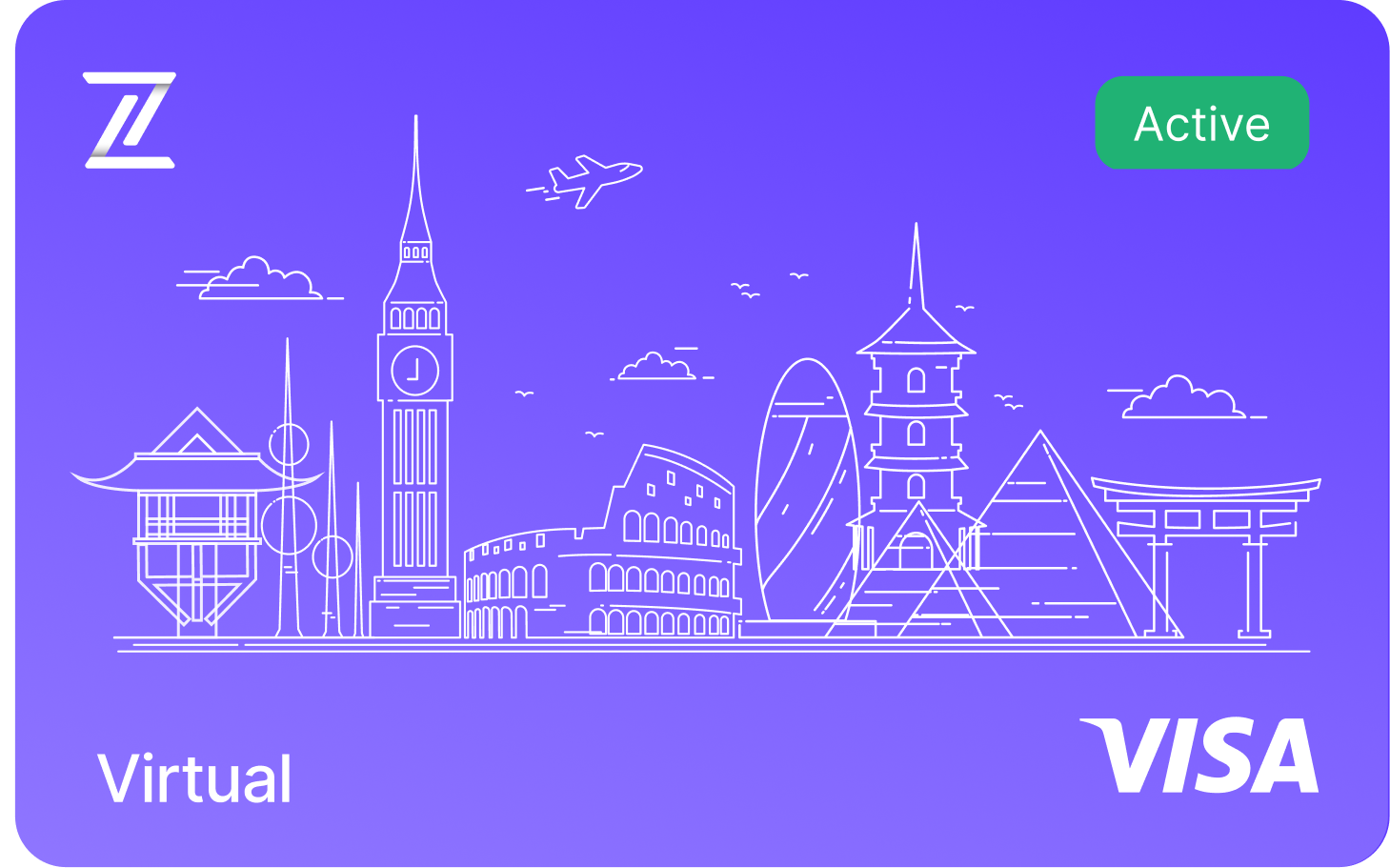
Fizen Virtual Visa Card
The best card for SaaS, ChatGPT, Claude, Netflix, Spotify, Amazon, Google, Meta, Tiktok Ads. Spend USDT like cash globally.
Keep reading from Fizen
- Best crypto cards in 2026: an honest comparison
- How to pay in Vietnam without a bank account
- Pay with crypto in the Philippines
Fizen is a Visa card you fund with USDT, with $0 FX and $0 top-up fees, cashback up to 10% and a Super App with QR Pay in Vietnam (VietQR) and the Philippines (QR Ph). You can run up to 100 virtual cards on one account, use Apple Pay and Google Pay, and freeze anytime. It is backed by Tether, and the card is issued by DBS Bank Singapore through a MAS-licensed provider. Best for people who want to spend stablecoins directly, pay by QR or card in Vietnam and the Philippines, and earn rewards without tying them to a coin price. Heavy online spenders and teams managing many cards fit here too.
Terms and conditions
- Information only. Fizen publishes this article to inform, not to sell. Nothing here is an offer or solicitation, and it is not financial, investment, legal or tax advice. Prices, rules and availability change; check official sources.
- For readers in the United States. This article provides information only. It is not an offer, solicitation or sale of any product or service, and it is not financial, investment, legal or tax advice. Fizen is not offered to US Persons.
- Full terms. Master Terms of Use, Privacy Policy and Disclaimer on the Fizen site.